
In 2009, when Tesla showed their prototype Model S in Frankfurt, people were shocked by the extremely radical design, including the full touchscreen central control. At that time, most other cars were still using a split navigator, which was the only thing that could display images clearly in their cars.

After 15 years, using a full touchscreen display as the central control is still considered a radical idea by many people. This is because the feedback from virtual buttons is not as good as that from physical buttons, which can sometimes confuse drivers while they are driving.
We are not sure whether Tesla's design is good or bad, but one thing we are confident about is that using higher-resolution screens for user interfaces is a trend. It definitely improves user experiences, as the central control screen has become a standard configuration for all car designers.
Digital displays are what we call the "terminals" for users in the digital age. They can show complex information through text, images, and videos, helping users operate their cars and other equipment. They also visualize the status of the car and help users understand what is happening with the machine they are operating.
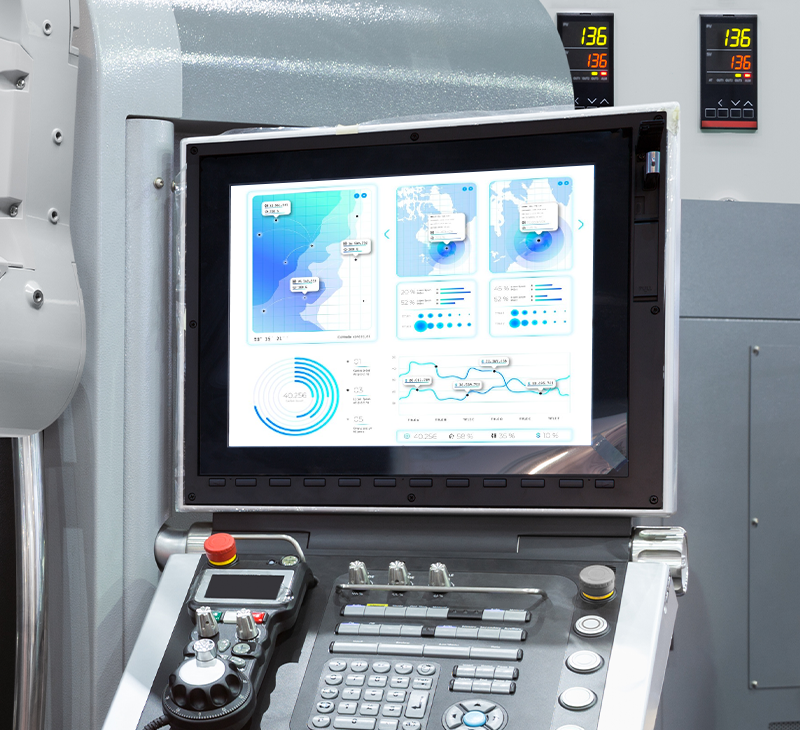
Displays are not just for receiving information from the machine; interactivity is also a necessary function to send information back and let the machine work according to orders. Touchscreens have an obvious advantage in this process, especially since the user interface is integrated into the equipment itself to monitor its status and receive orders from the user.
Sometimes, equipment operates in the field rather than in an indoor factory. This requires high-brightness LCDs with touch functionality to allow users to operate machines under direct sunlight, whether on an oil drilling platform in the ocean or with engineering equipment on the street. Outdoor work always faces these challenges.
Unlike in the automobile industry, using full touchscreens in industrial manufacturing is a safe and mature way to increase efficiency. Automation is not a new topic, and the use of LCD displays in automation is widespread and popular.
For RisingStar, we focus on one aspect of this broader topic: high-brightness LCDs with or without touch functionality, applying them to multiple uses as we can.