
High Brightness Display
Manufacturer — Up to 5000 nits
Industrial-grade TFT LCD solutions from 7" to 110". Up to 5,000 nits, Hi-Tni panels, and optical bonding.
Heat Resistant
No blackening under direct sunlight. Engineered for extreme heat.
Cleanroom Production
Class 10,000 dust-free assembly ensures zero-pixel defects.
ISO9001 Certified
Fully traceable B2B quality control for large-scale projects.
72H Aging Test
100% rigorous screening before international shipping.
What Counts as a High Nits Display?
A high nits display starts at 1,500 nits and runs to 5,000 nits for direct sunlight. Under 700 nits is an indoor part; 700–1,000 nits only works behind glass or under a canopy.
Reflected light at 100,000 lux still washes out a 2,000-nit panel with a bare glass front — optical bonding and AR coating decide whether the screen is readable at noon.
Compare the high nits display panelsBrowse by specification
Product Line-Up
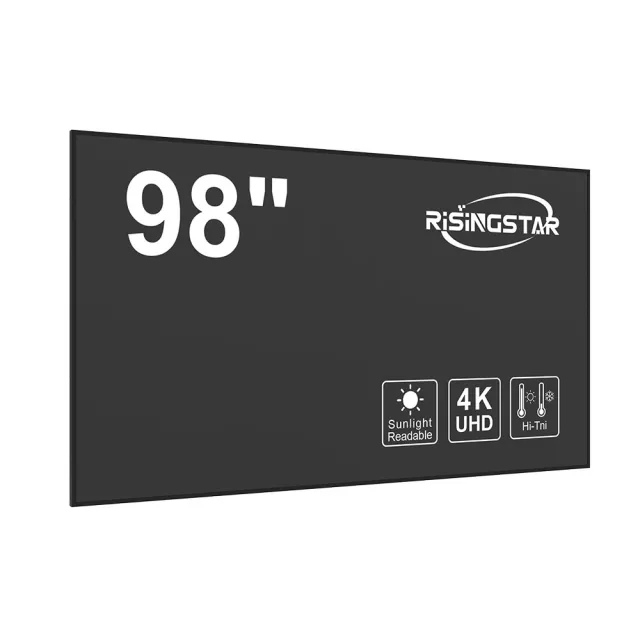
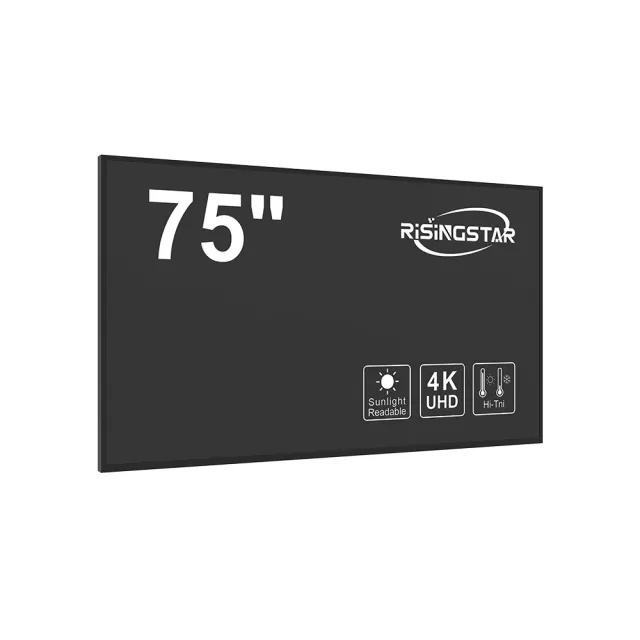
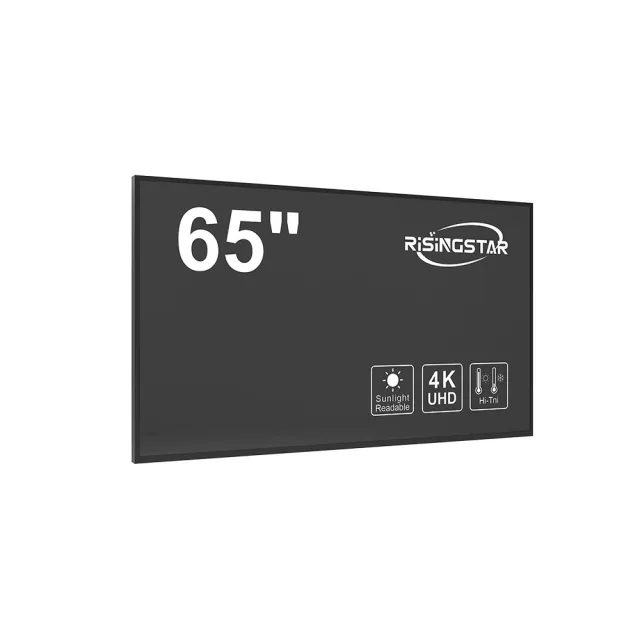
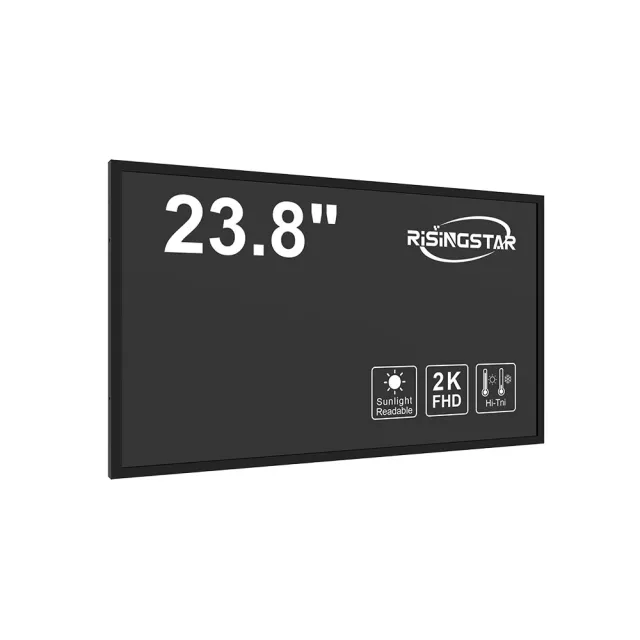
High brightness industrial display modules.
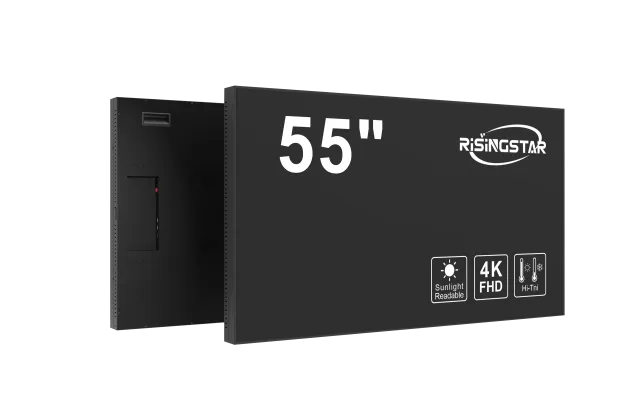
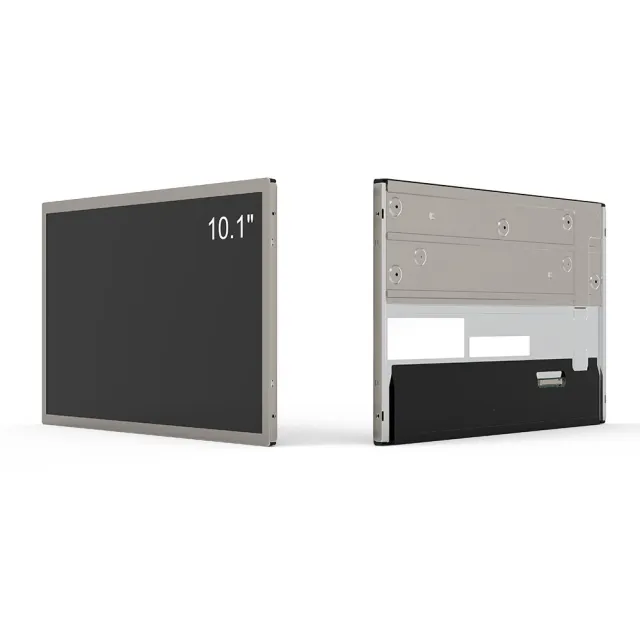
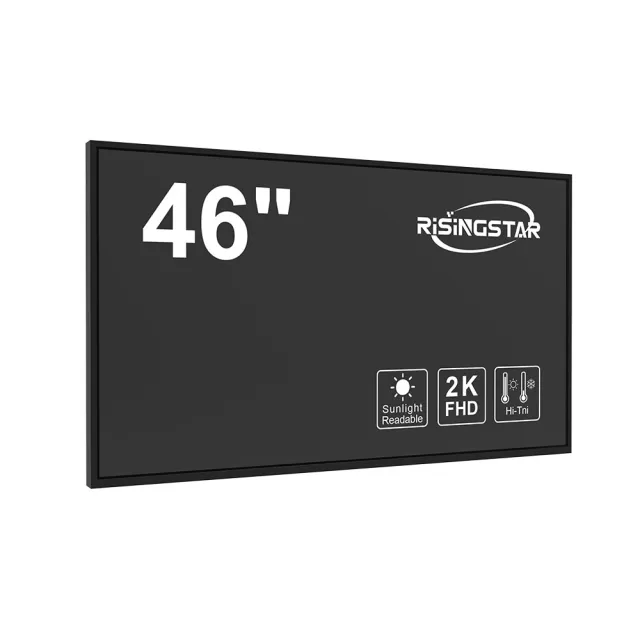
No more products
No Products Found
Check back later for new products.
Solutions Built for Your Application
We don't just sell screens; we provide fully integrated modules tailored for specific outdoor infrastructures.
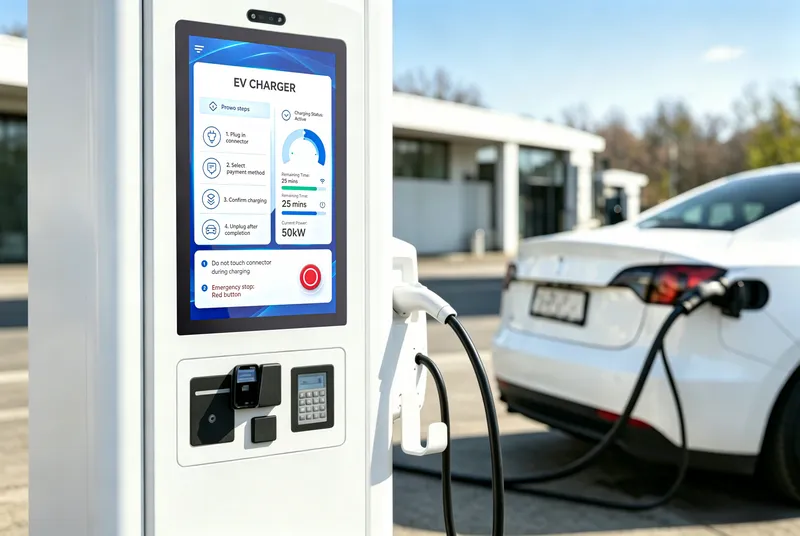
EV Charging Stations
- Open Frame Integration: Slim design for easy embedding into charger shells.
- Heat Resistant: No blackening in direct sunlight — vital for unshaded charging sites.
- Anti-Reflective Glass: Maximum readability under intense ambient lighting.
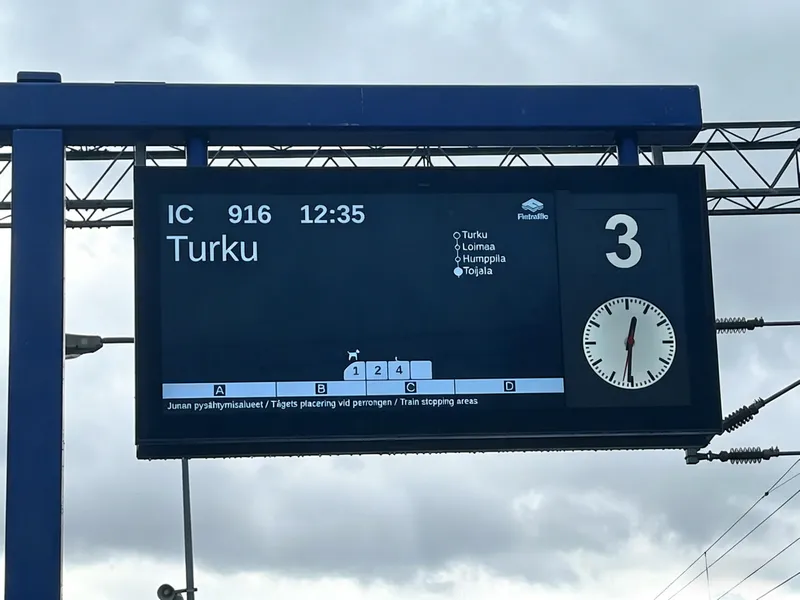
Stretched LCD Display
- Ultra-Wide Aspect Ratio: Space-saving bar design perfectly fits headers, shelves, and transit transoms.
- 24/7 Industrial Reliability: Engineered for non-stop operational environments with low power consumption.
- Anti-Vibration Design: High shock and vibration resistance, ideal for train and bus passenger information.

Window Facing Display
- Up to 5000 Nits: High-luminance output that cuts through double-glazing and direct outdoor glare.
- Polarized Sunglasses Visible: Clear image visibility even when viewed through polarized sunglasses.
- Smart Thermal System: Built-in cooling structures prevent heat buildup inside sealed window enclosures.
Engineered for Extremes.
Standard screens fail under extreme conditions. Our high brightness displays are engineered for 24/7 reliability.
Certified IP66 Waterproof Protection
100% dust-tight and water-resistant enclosures for rainstorms and coastal salt spray.
Sealed gaskets, pressure-equalizing vents and marine-grade housings keep moisture out of the optical cavity.
IK10 Vandal-Proof Tempered Glass
IK10-rated tempered front glass with a ruggedized metal chassis to absorb heavy impacts.
Impact energy is distributed across the bonded glass and frame instead of the LCD cell.
Intelligent Auto-Brightness Control
Overpowers noon sunlight & auto-dims at night for maximum visibility.
Ambient light sensors drive 1,500–5,000 nits output and cut power draw after dark.
Professional Grade Thermal Management
Flawless operation from -20°C to 70°C with intelligent heat dissipation.
Intelligent sensors and cooling systems ensure 24/7 reliability in unshaded environments.
Full-Lamination Optical Bonding
Reduces light reflection by 80% and prevents moisture condensation.
Removing the air gap also lifts contrast and eliminates internal fogging.
Anti-Blackening Tech
Standard panels blacken when heated beyond 65°C, causing irreversible damage.
Hi-Tni industrial panels withstand surface temperatures up to 110°C without image degradation.
B2B Applications.
EV Charging Stations
1,500-5,000 nits
Sunlight-readable displays with IK10 protection and OCPP integration.
Smart Transit Hubs
1,500-2,500 nits
Passenger information displays with IP66 protection and wide-temperature operation.
Our Certifications


Where Our Displays Are Made
Step inside our factory. A straightforward look at how our outdoor LCD screens are assembled, handled, and prepared for shipping.
Expert Guide 2026
High Brightness DisplayThe Complete Guide
A comprehensive guide covering everything engineers, integrators, and buyers need to know about high brightness LCD technology.
What Is a High Brightness Display?
A High Brightness Display is a specialized LCD engineered to remain clearly visible under strong ambient light, including direct sunlight.
Unlike consumer-grade 250–400 nits screens, these displays deliver 1,000–5,000 nits, ensuring excellent readability in harsh environments such as outdoor kiosks, transportation hubs, retail windows, and smart-city systems.
High Brightness Display Comparison
A display is considered sunlight readable when brightness exceeds ambient reflected light. Industrial-grade displays deliver up to 5,000 nits for harshest environments.
Why High Brightness Display Solutions Are Needed
Overcoming Sunlight Glare
Outdoor environments reach 100,000 lux. A 300-nit screen is nearly invisible, while a 2,500–5,000-nit display stays perfectly readable.
Maintaining Contrast Ratio
High brightness LCDs prevent black levels from washing out due to UV and heat exposure, maintaining clear visibility.
Mission-Critical Legibility
Transport, EV chargers, and wayfinding kiosks require guaranteed legibility for safety and user experience.
Brightness Levels & Applications
Indoor window / semi-outdoor
Bright indoor / covered outdoor
EV chargers / kiosks
Outdoor signage / QSR menu boards
Harsh sunlight / smart city
Industry insight: 3,000 nits covers 80% of outdoor environments.
Understanding High Brightness Display Types
Still comparing panel technologies? Read our breakdown of sunlight readable display: LCD vs LED vs OLED.
High Brightness vs Regular LCD
-
Backlight System
Industrial-grade direct LED vs consumer edge-lit
-
Thermal Stability
Optical bonding, thermal sensors, UV-resistant layers, anti-blackening
-
Power Efficiency
Optimized LED drivers reduce power consumption by 15–25%
-
Optical Bonding
Reduces reflections, increases sunlight readability by up to 25%
Outdoor High Brightness Display vs Semi-Outdoor Display
Outdoor High Brightness Displays
EV charger displays, gas pump displays, bus stops, outdoor digital signage
Semi-Outdoor High Brightness Displays
Retail window displays, mall directories, covered patios
Applications
High Brightness Display Key Features
- High Brightness Display — Up to 5,000 nits
- up to 50,000 Hours Life (24/7)
- Low Power Engineering
- Lightweight Aluminum Structure
- IP65/IP66 Waterproof
- Anti-Blackening Technology
Frequently Asked Questions.
1,000 nits is semi-outdoor level. True high brightness display solutions begin at 1,500–5,000 nits for reliable outdoor performance.
Quality displays use thermal sensors, LED drivers, and anti-blackening LCD technology to manage heat effectively.
RisingStar optimizes LED architecture to reduce energy consumption by 15–25% compared to standard high brightness display solutions.
Optical bonding fills the air gap between the display and glass, eliminating reflections and improving sunlight readability by up to 25%.
At least 1,000 nits minimum, though 2,500–5,000 nits is ideal for full sunlight environments.
Generally yes, but RisingStar's optimized LED backlighting minimizes extra energy use while maximizing brightness.
Extremely important. AR coatings combined with optical bonding significantly enhance contrast and readability in bright conditions.
Absolutely. RisingStar high brightness display solutions are tested for -20°C to 70°C operation and sealed against moisture, rain, and dust.
Yes. RisingStar high brightness display models feature IP65 or IP66 protection ratings for complete water and dust resistance in outdoor environments.
A high nits display starts at 1,500 nits and runs to 5,000 nits for direct sunlight. Panels under 700 nits are indoor parts, and 700–1,000 nits is limited to behind-glass or under-canopy installations.
Ready for Your Project?
Contact our expert engineers today for a customized technical consultation.
Talk to an Expert