
A bus shelter information strip. A metro platform edge display. A gas pump advertising panel. The common problem: the enclosure cutout is 1200mm wide but only 180mm tall. A standard 16:9 panel is the wrong shape — and cropping it wastes more than just screen space. It wastes power, creates thermal problems, and forces your enclosure to bulge around invisible pixels that nobody sees.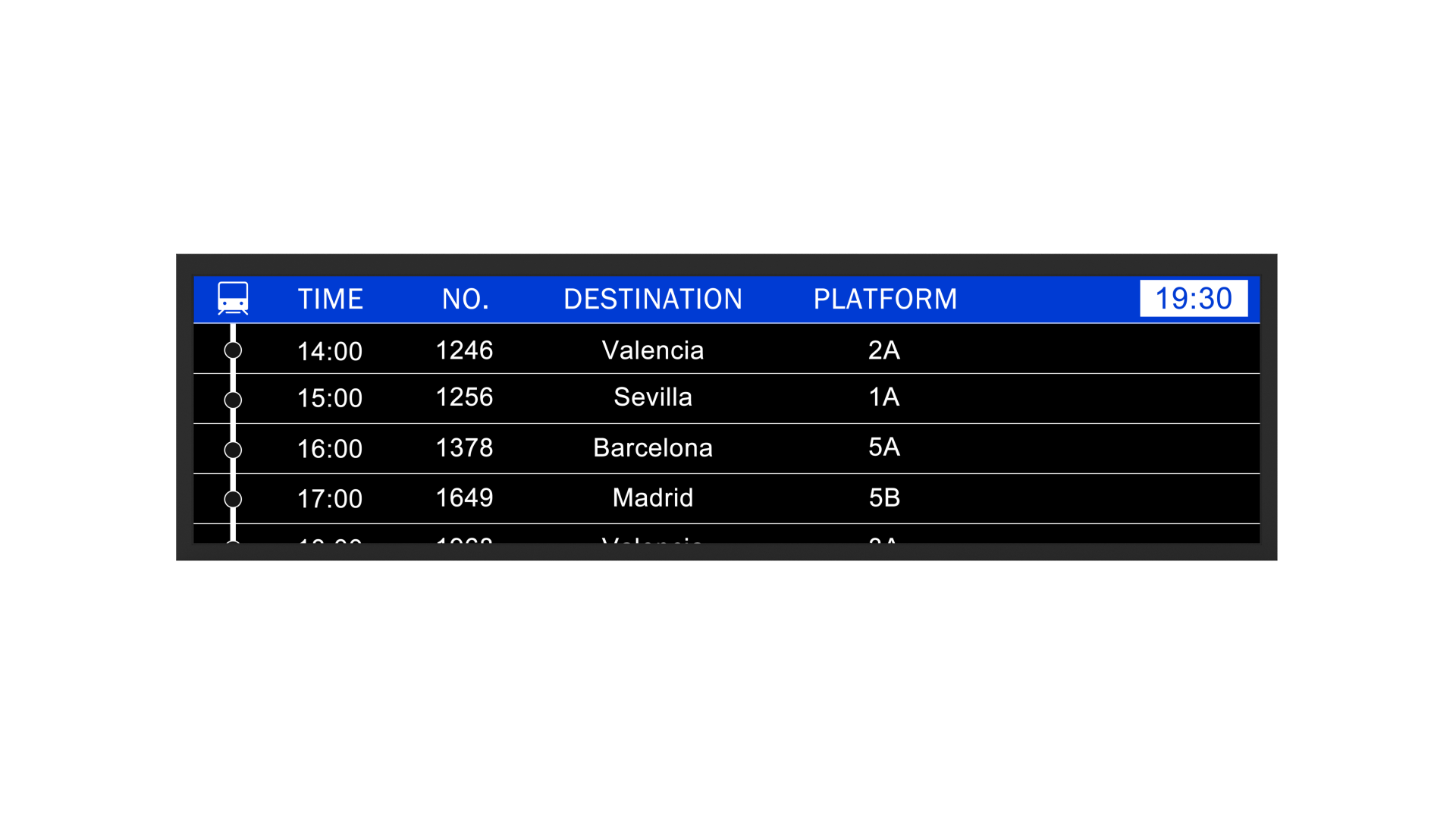
A stretch bar display — an ultra-wide open frame monitor with a native aspect ratio matched to the cutout — solves all three at once.
Quick Answers
A stretch bar display uses a native ultra-wide LCD cell (aspect ratios up to 32:3, custom resolutions like 3840×360) that matches narrow enclosure cutouts without cropping, masking, or wasting backlight power.
Cropping a 16:9 panel to fit a wide-but-short cutout wastes 60–80% of LED backlight output — the heat still goes into the chassis, but the light hits a bezel. A native stretch bar panel cuts power consumption by 50–70% for the same visible brightness.
RisingStar manufactures stretch bar outdoor open frame monitors & displays from 24" to 88", with IPS-grade panels, optical bonding, and custom resolutions configurable per project.
Native vs. Cropped: The Real Cost of "Just Mask It"
When a standard 16:9 panel doesn't fit an enclosure, the most common workaround is masking — cover the unused area with a bezel. It looks like a solution, but behind the bezel, the backlight is still running. Every masked LED is still dissipating heat into the chassis. The enclosure still needs to reject that heat. And the integrator still pays for the full panel, the full backlight, and the larger chassis needed to accommodate the masked section.
A native stretch bar panel — designed at the motherglass mask stage to be natively ultra-wide, not cut from a standard cell — flips this equation. The backlight is precisely the size of the active area. Every LED contributes to the visible image. The chassis is shallower, cooler, and mechanically simpler.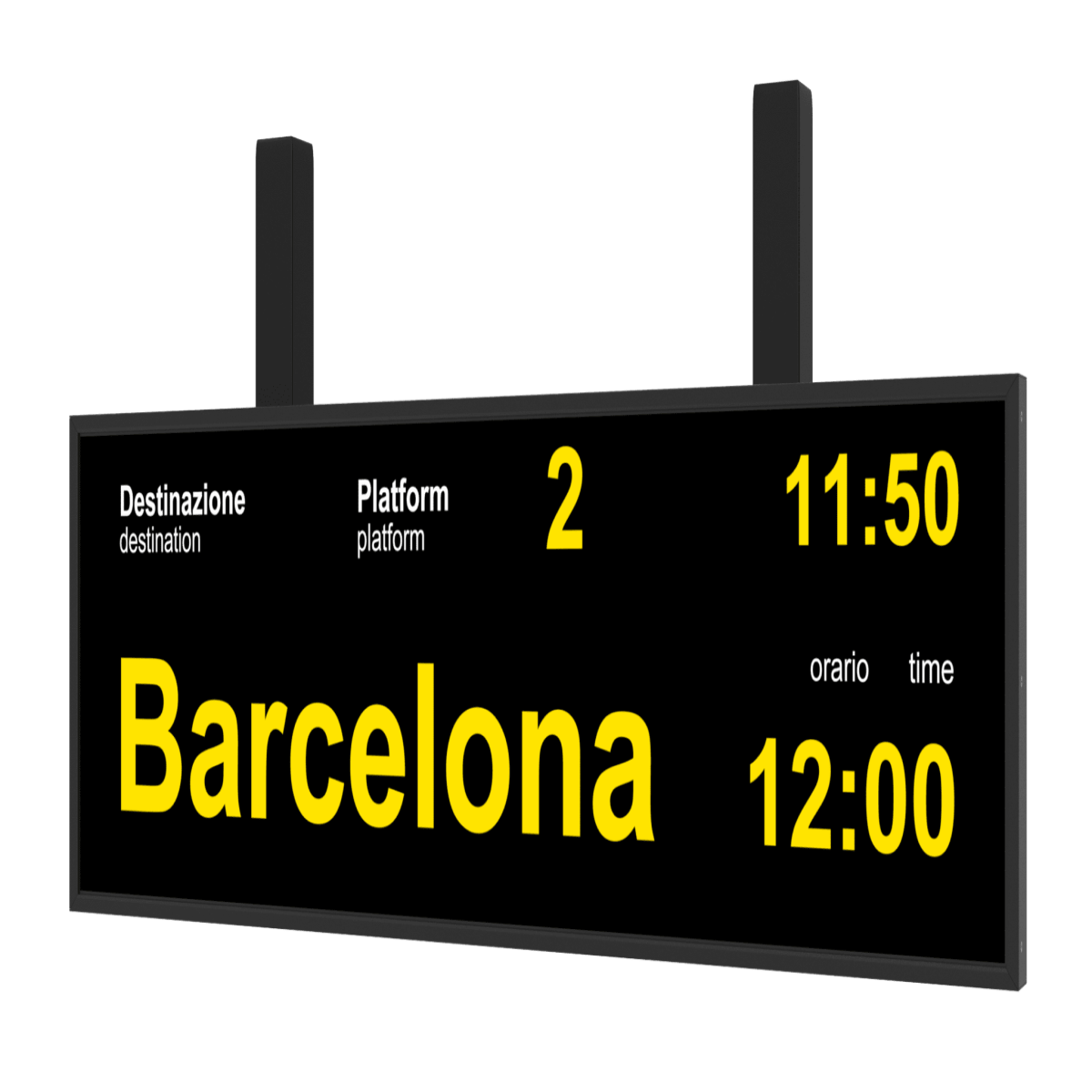
| Native Stretch Bar | Cropped 16:9 | |
|---|---|---|
| Active pixels used | 100% | 20–40% |
| Backlight power | Sized for the active area | Full power, most blocked |
| Chassis depth | 25–35mm | 40–60mm |
| Thermal profile | Uniform | Hot spots at masked edges |
For a shelter manufacturer deploying 500 transit displays, the difference in thermal reliability and enclosure cost alone justifies the stretch bar NRE.
Where Stretch Bars Do What Standard Panels Can't
Transit PIDS
Bus shelters and metro platforms use narrow horizontal cutouts — 150–200mm tall, 2000mm+ wide. A 48" stretch bar at ~3840×360 pixels shows 4–6 bus routes simultaneously in a strip just 90mm tall. Brightness requirements range from 1,500 nits (covered shelters) to 4,000 nits (platform edge, direct sun at entrance zones). Optical bonding prevents internal fogging during the day-night temperature swings these semi-outdoor installations experience daily.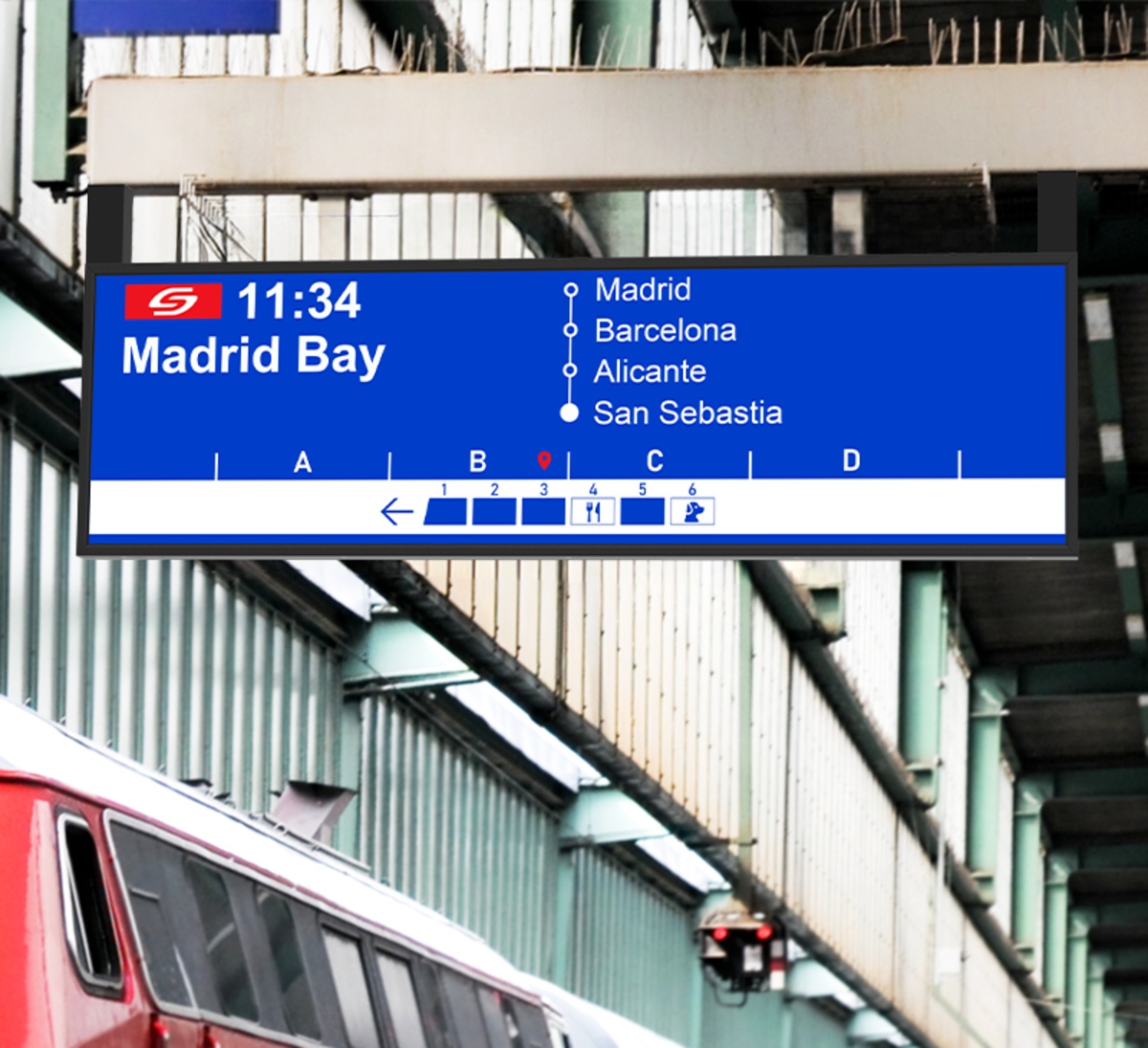
Gas Pump Advertising
The usable display window above a fuel dispenser keypad is roughly 400mm × 100mm — a 4:1 ratio. A 24–36" stretch bar fits precisely, with no bezel gaps trapping fuel residue and cleaning chemicals. UV-resistant tempered glass and conformally coated driver boards handle the chemical exposure.
Shelf-Edge Retail & Digital Menu Boards
Ultra-slim stretch bars (24–32") replace paper shelf labels with dynamic pricing at 500–1,000 nits. The <15mm chassis depth mounts directly on shelving rails. For space-constrained fast-food kitchens, stretch bar digital menu boards show full menus in horizontal strips where vertical space is at a premium.
The Integration Difference
Stretch bar displays follow the same open frame integration principles as standard monitors, but the extreme aspect ratio adds a few considerations:
Structural rigidity: A 48" display that's only 90mm tall needs stiffening ribs along the long axis and mounting points every 200–300mm, not just at the corners.
Thermal management: Heat must travel along the chassis length to reach the edges — aluminum alloy backplates and multiple temperature sensors keep the center from overheating.
Touch support: PCAP touch is available as an OEM/ODM option, with custom touch sensor design and controller firmware tuned for the non-standard active area.
For integrators working with more conventional aspect ratios, the 21.5 inch open frame display series offers the same optical bonding and Hi-Tni panel options in a standard 16:9 format.
Built for Production, Not Just Prototypes
RisingStar manufactures stretch bar open frame displays in a 4,000 m² ISO 9001-certified facility in Shenzhen with Class 10,000 cleanroom assembly. Grade A/A+ panels sourced directly from LG Display, AUO, BOE, Innolux, and Tianma. Every unit undergoes 100% factory inspection and a 72-hour burn-in at 50°C before shipping.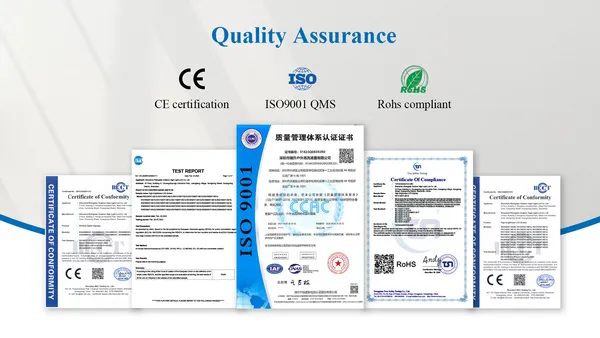
Samples ship in 10 working days. Engineering response within 8 hours.
📧 ai@risinglcd.com · 💬 +86 158 8946 9208 · 🌐 www.risinglcd.com

