 English
 Deutsch
 Français
 Español
 Italiano
 한국어
한국어
 日本語
日本語
 Português
 Suomi
Suomi
 Dansk
Dansk
 Polski
Due to the closed structure, LCDs can easily accumulate hot air inside and continuously heat themselves.
Some of this heat comes from high-temperature weather, such as the monitor working under scorching sunlight; another source of heat is the LED backlight, which converts electrical energy into both light and heat energy, as well as heat from power and other electronic devices inside the LCD.
In physics, there are three ways to transfer heat from one point to another: conduction, convection, and radiation.
Radiation is the method with the worst efficiency and, unfortunately, cannot be changed by human technology at present, so we can just ignore it.
Conduction involves the transfer of heat through a material, typically a metal with good conductivity, which is why we use metal pots for cooking.
Heat conduction works through the material and structure design itself, requiring no extra power in the process, which can reduce consumption and noise while the LCD is operating.
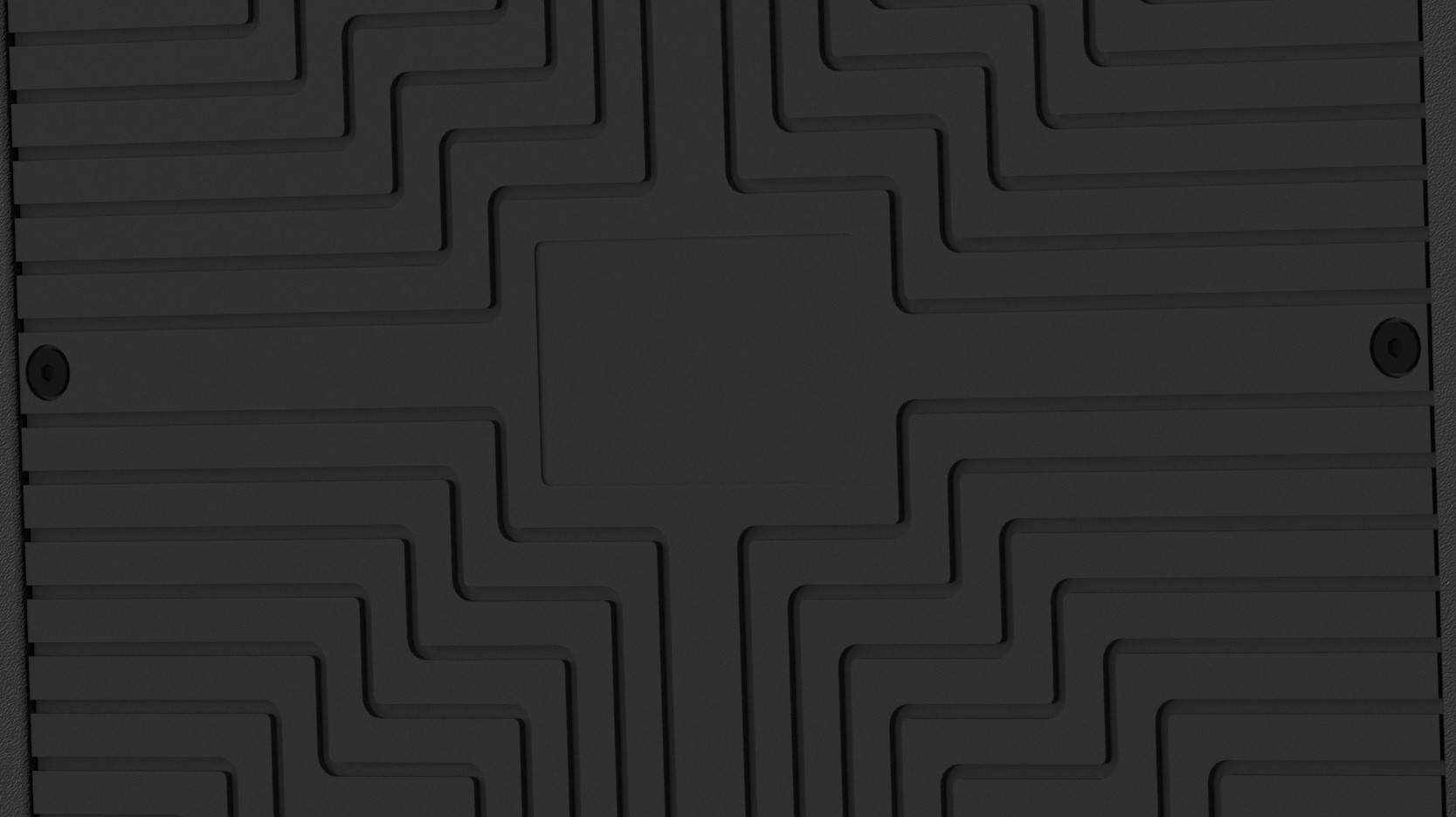
Convection, on the other hand, involves the transfer of heat by air, with the heat being carried out of the LCD by airflow. A fan pumps air in and out to create a circulation, which is more efficient than other methods but consumes extra power for heat dissipation.
The airflow also means the LCD is not completely enclosed, which allows dust to enter with the air from outside, and the fan can create noise while the LCD is working, but it remains the best method for dissipating heat.
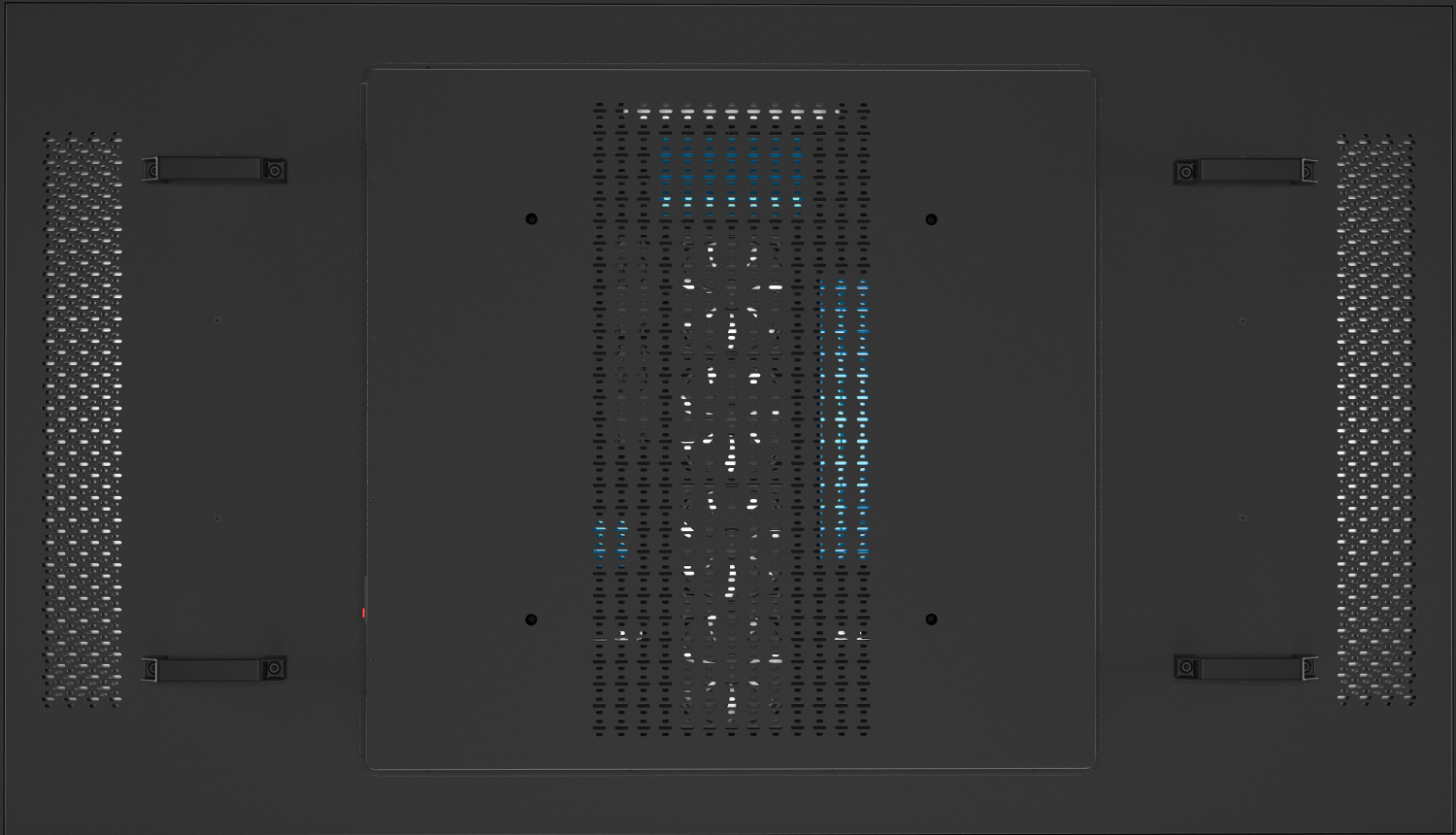
To understand simply, conduction means dissipating heat through a solid, while convection means dissipating heat through airflow. For conduction, we use heat dissipation bars; for convection, we use fans and air conditioners.
All of these solutions aim to help customers use our products easily and provide the best quality assurance we can offer. Maintaining long-term reliability is the core concept of our business.