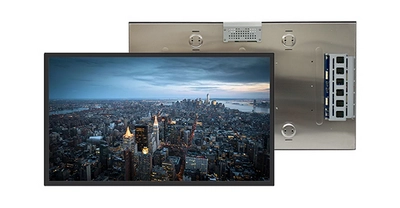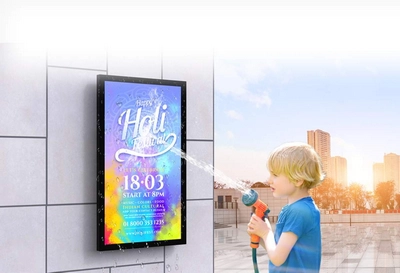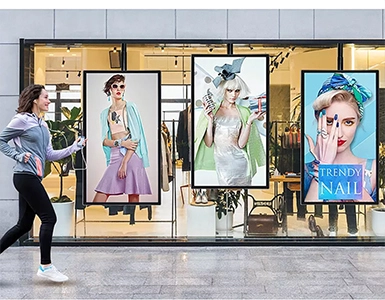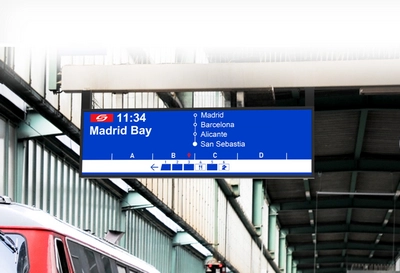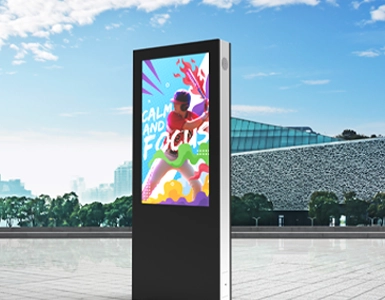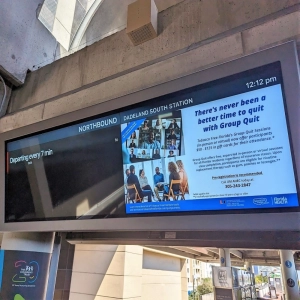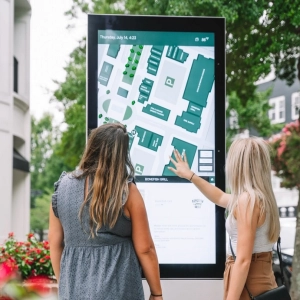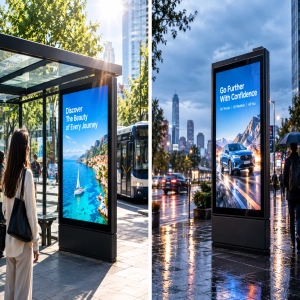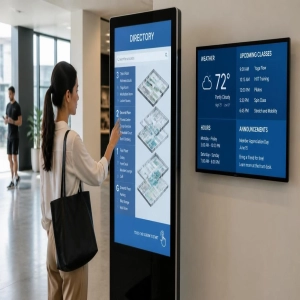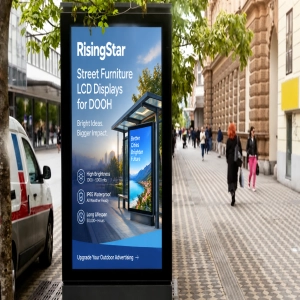
A commuter enters a subway station, passes a digital advertising column in the ticket hall, waits on the platform beside a screen cycling between ads and train arrivals, and boards a train where ceiling-mounted displays show destinations and advertising. The transit journey is a continuous media environment — but every screen in that journey operates under different light, at different distances, and with different content duties. Transit advertising networks rank among the highest-value DOOH placements worldwide because they combine captive audiences, repeat exposure, and long dwell times. They also impose some of the most demanding requirements on display hardware.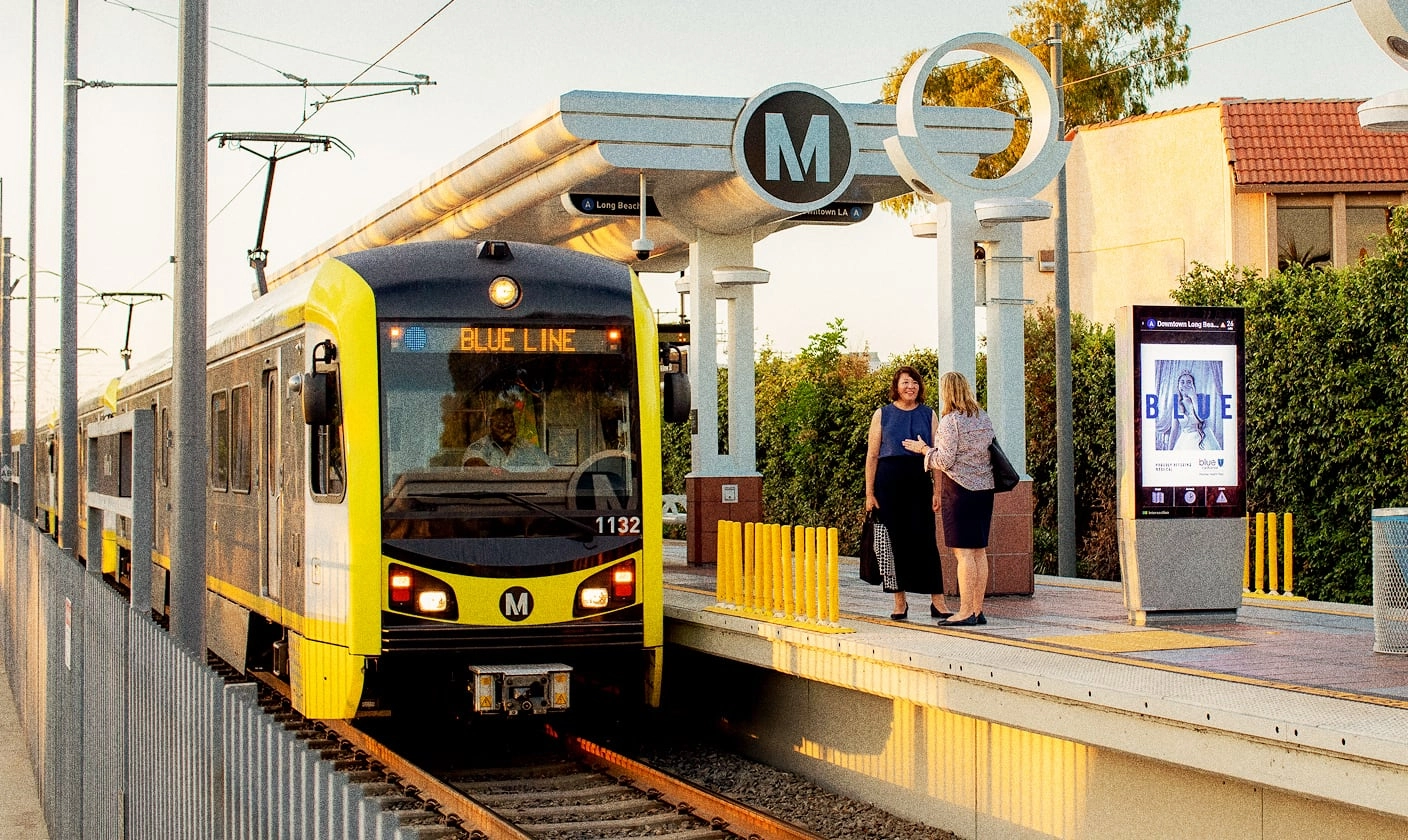
Why Transit Networks Run on LCD
Transit environments are indoor or semi-outdoor, close-range, and space-constrained — exactly where LCD outperforms LED walls. A platform advertising display is viewed from 2 to 10 meters. Train interior displays are seen at arm's length to a few meters. At these distances, LCD delivers the resolution that keeps text, schedules, and creative assets crisp, and it does so in slim, lightweight formats that fit the tight mounting positions of a station or carriage.
Two form factors dominate transit LCD:
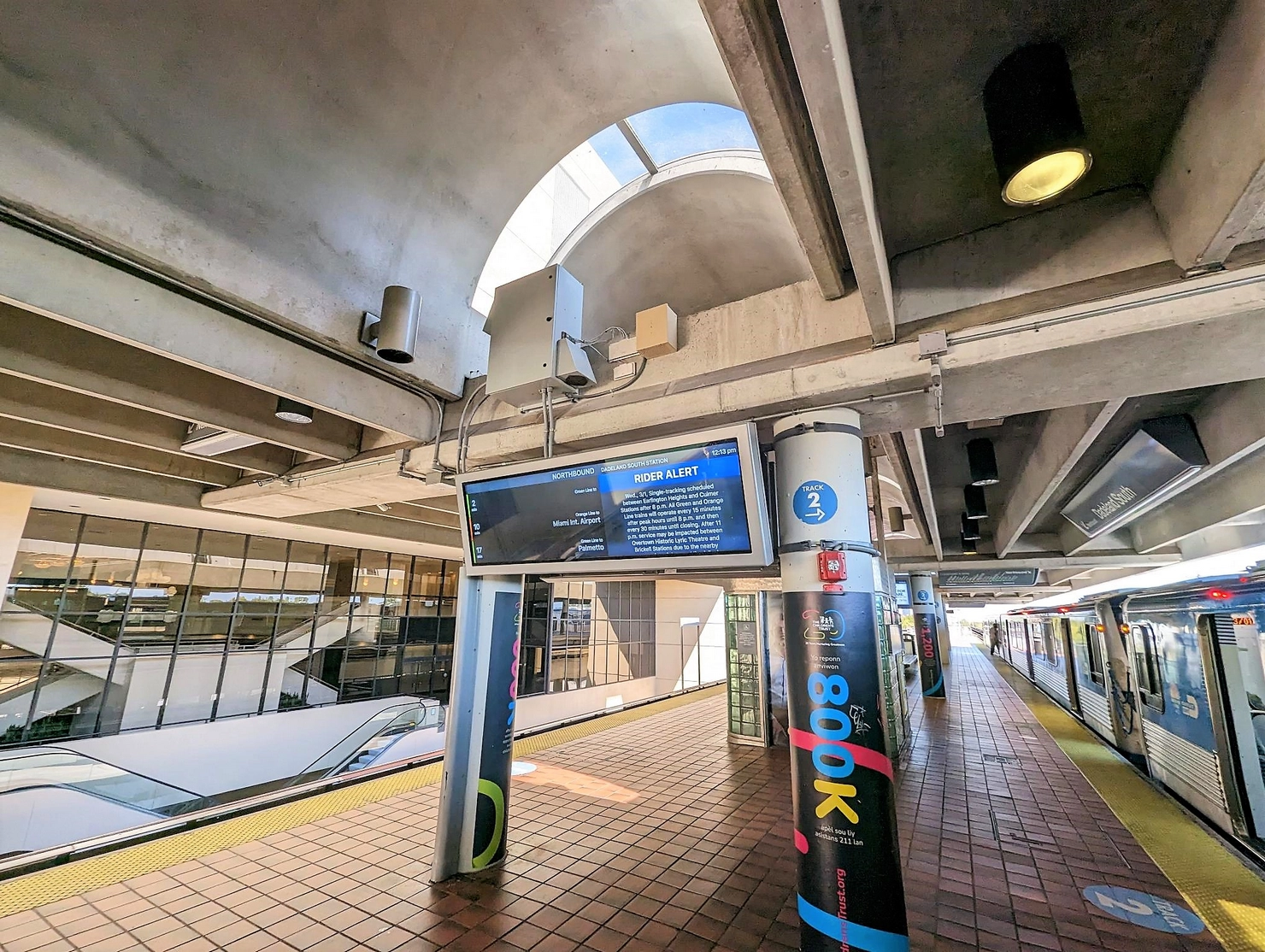
Brightness by Station Zone
A transit station is not a single lighting environment. The display spec must match the zone:
| Transit zone | Lighting condition | Typical ambient | Recommended brightness |
|---|---|---|---|
| Underground concourse / tunnel | Fluorescent, controlled | 500-1,500 lux | 700-1,200 nits |
| Indoor platform (covered) | Mixed station light | 1,000-3,000 lux | 1,000-1,500 nits |
| Semi-outdoor platform (canopy) | Daylight + shade | 5,000-30,000 lux | 1,500-2,500 nits |
| Open platform / bus terminal | Full daylight | 30,000-100,000 lux | 2,500-5,000 nits |
| Train / bus interior | Controlled, variable | 500-2,000 lux | 700-1,200 nits |
The platform edge is the most challenging position: it sits in open air under a canopy that provides partial shade, so a screen on the sunny end of a platform needs several times the brightness of the same model at the shaded end. Spec the network tier for the brightest position, then rely on auto-dimming to bring every screen to the appropriate level as ambient light changes through the day.
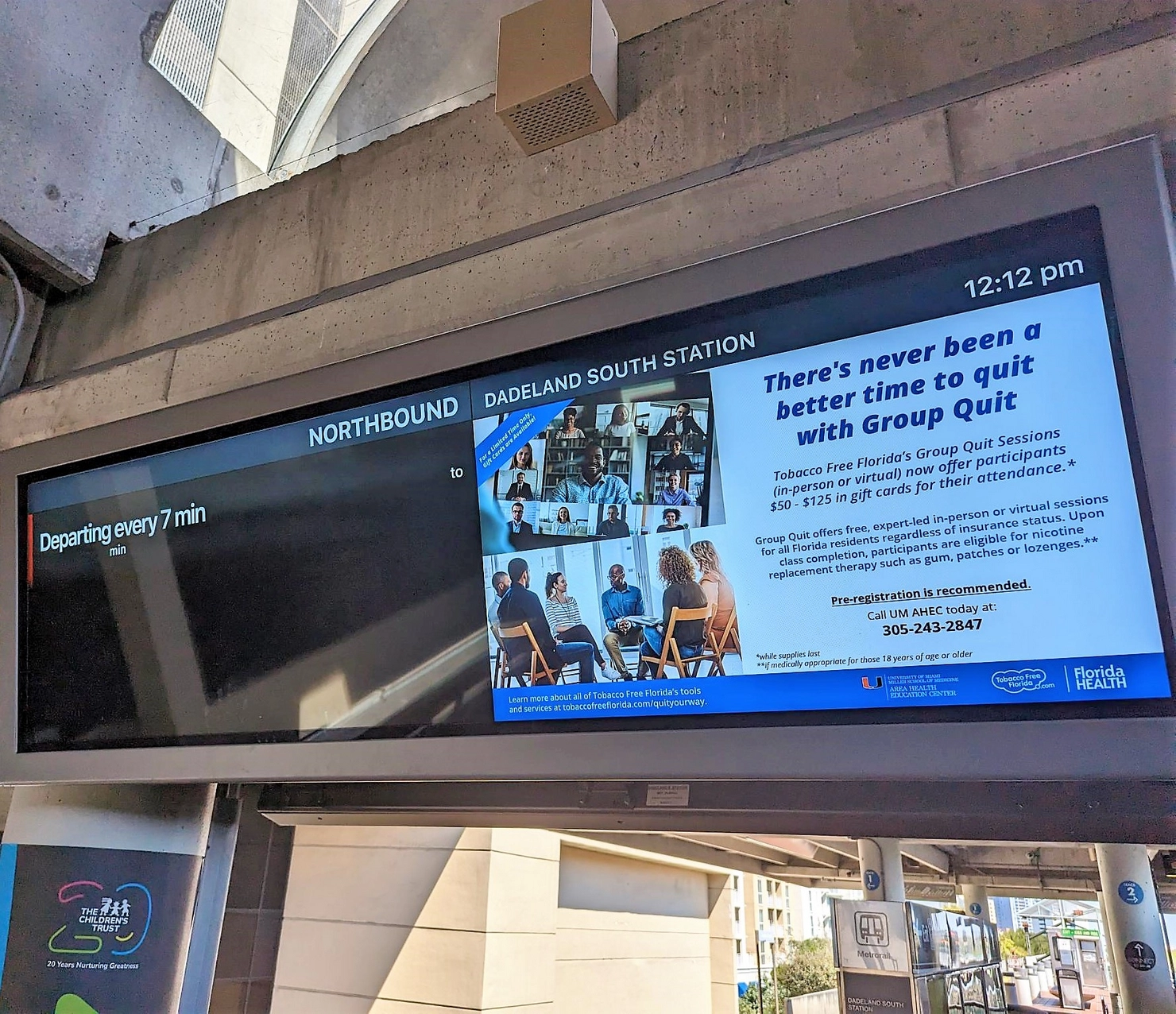
The Dual-Duty Screen: Advertising and Passenger Information
Many transit screens are not pure advertising inventory. The same display that carries advertising in the morning peak also shows train arrival times, delay alerts, and safety messages — often mandated by the transit authority. This dual duty shapes the hardware requirement:
Enclosure Engineering for the Transit Environment
Transit hardware lives a hard life. Platform screens face dust, rain on open platforms, temperature swings between underground cool and surface heat, and vibration from passing trains. Three enclosure decisions dominate:
Sealing. Platform-edge and semi-outdoor screens need IP65 or IP66 front protection. Underground screens can often run with lighter sealing but still benefit from dust protection in tunnel environments, where brake dust and particulates are constant.
Thermal design. The worst case is a sealed platform screen in summer: solar gain on the housing plus the heat of a high-brightness backlight. Displays must be engineered for internal operation up to 70°C with a defined heat path, using industrial panels that do not suffer thermal blackening. Screens that are under-specified thermally degrade invisibly — brightness drifts, then the panel fails mid-contract.
Vibration and mounting. Train interior displays are mounted on ceilings and bulkheads that transmit constant vibration. Mounting must be engineered for the carriage environment, and connectors secured against loosening. Displays rated for railway or bus interior use are validated against the vibration profile of the vehicle.
Managing a Transit Network at Scale
A transit advertising network is not a handful of screens; it is hundreds of units spread across stations, some accessible only during maintenance windows. The operations model matters as much as the hardware:
Sourcing Displays for Transit Advertising Networks
RisingStar manufactures transit LCD displays from 7 to 110 inches, including custom stretch-bar formats, with brightness from 700 to 5,000 nits, IP65/IP66 sealing, optical bonding, and thermal designs rated for -20°C to +70°C operation. Industrial panels from LG Display, AUO, INNOLUX, and BOE. One hundred percent factory inspection and a 72-hour burn-in before shipment ensure the reliability a transit network requires. ISO 9001 certified.
If you are building or expanding a transit advertising network, send the station zones, mounting positions, and ambient light profile to ai@risinglcd.com. Our engineers will map the brightness tier and enclosure spec for each screen location. Review the stretch bar LCD display and LCD passenger information display product lines for current configurations.