Heading: Deep Dive: How CE Certification Works and Why It Is Critical for the Electronics Industry
What is CE Certification?
The "CE" mark is an abbreviation of the French phrase "Conformité Européenne", which literally means "European Conformity." In the world of international trade, the CE marking is often described as a "passport" that allows products to be sold freely within the European Market.
It is important to clarify a common misconception: CE certification is a safety conformity mark, not a quality certification mark. It focuses on ensuring that products do not endanger the safety of humans, animals, or property. These "Essential Requirements" form the core of European legislation, ensuring a unified safety standard for all circulating goods.
How Does the CE Certification Process Work?
For manufacturers planning to enter the European Economic Area (EEA), the compliance process involves several critical pillars:
Authorized Representative (AR): EU law requires manufacturers located outside the 30 EEA member states to appoint an Authorized Representative within the EU. This person or entity is responsible for monitoring product safety consistency after it enters the market.
Technical Documentation: All technical files, test reports, and compliance declarations must be stored within the EU territory so that regulatory authorities can audit them at any time.
Corrective & Remedial Measures: If market surveillance authorities find that a product does not meet CE requirements or if a safety incident occurs, the manufacturer is legally bound to take corrective actions, which may include temporary withdrawal or permanent recall of the product.
Dynamic Compliance: As EU laws and directives evolve, manufacturers must update their technical documentation and product designs to ensure continuous compliance with the latest standards.
Why is CE Certification Essential for LCD Displays?
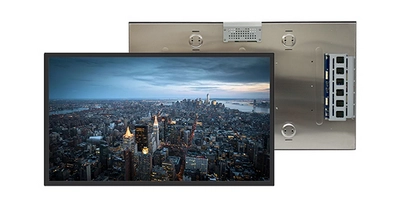
In the electronics industry, safety is paramount. Taking an LCD display as an example, the structure involves metal frames, glass panels, complex circuitry, and power components. Without rigorous testing, products could pose significant risks:
Physical Hazards: Injuries from broken glass or sharp metal edges.
Electrical Hazards: Risks of fire, short circuits, or electric shocks.
Environmental Risks: Improper disposal of hazardous materials found in non-compliant electronics.
RisingStar : Our Unwavering Commitment to Safety
At RisingStar, we believe that providing products without safety testing is an act of extreme irresponsibility toward the customer. We prioritize "Safety" alongside "Quality."
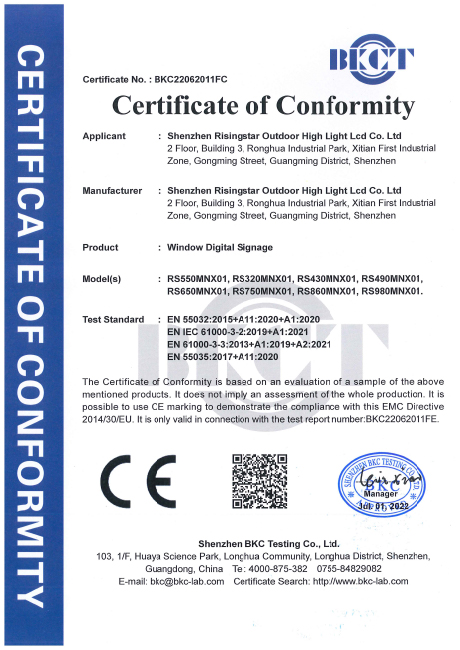
Full Compliance: All RisingStar LCD display products have passed rigorous CE certification and meet international safety standards.
Tailored Testing: Beyond standard CE certification, we offer specialized safety testing based on specific client requirements, providing official reports from authoritative third-party laboratories.
Professional Solutions: We specialize in 1000-5000 nits high-brightness LCD solutions. We ensure that every screen is not only sunlight-readable but also fully compliant with global safety guidelines.
Conclusion
CE certification is more than just a legal requirement; it is a testament to a company’s social responsibility. Choosing a certified product means choosing peace of mind for the end-user. If you are looking for high-quality, high-brightness professional LCD solutions, RisingStar is your trusted partner.