LCD tech evolves, staying dominant in consumer and industrial electronics due to cost, efficiency, and a mature ecosystem.
In recent years, LCD (Liquid Crystal Display) technology has continued to evolve, becoming the backbone of countless electronic devices—from smartphones and laptops to industrial control panels and automotive dashboards. While OLED and MicroLED are gaining attention, LCD remains dominant due to its cost-effectiveness, energy efficiency, and mature manufacturing ecosystem.
One major trend is the shift toward thin-film transistor (TFT)-LCD panels with improved pixel density, wider color gamuts, and better contrast ratios. For instance, modern IPS (In-Plane Switching) panels now support 10-bit color depth and HDR compatibility, making them ideal for professional design and high-end consumer displays. Additionally, advancements in backlighting—such as LED edge-lit and full-array local dimming (FALD)—have significantly enhanced brightness uniformity and black levels without increasing power consumption.
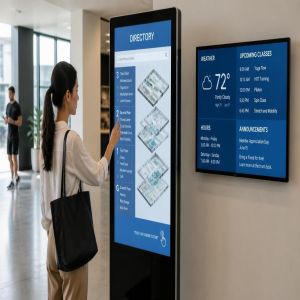
Another key development is the integration of LCDs into smart devices. In automotive applications, manufacturers like BMW and Tesla are using large-format LCDs for instrument clusters and infotainment systems, often combining touch sensitivity with driver-assist features. Industrial sectors benefit from ruggedized LCDs with wide temperature ranges (-30°C to +70°C), anti-glare coatings, and IP65 ratings—ideal for harsh environments such as factories or outdoor kiosks.

Industry Example: RisingStar
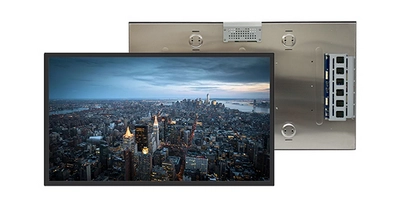
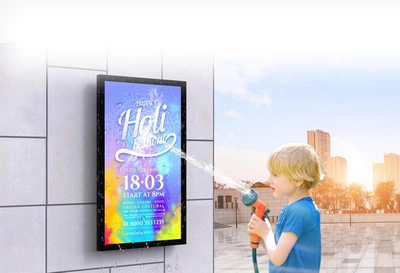
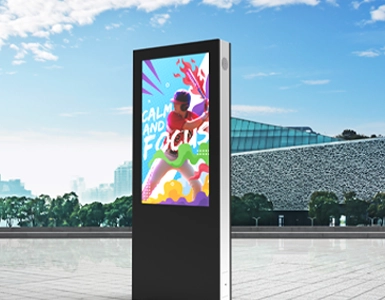
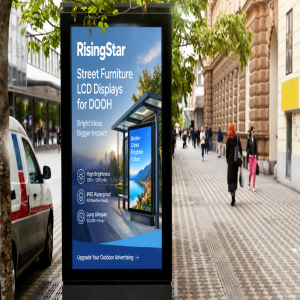
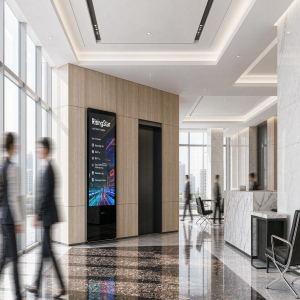
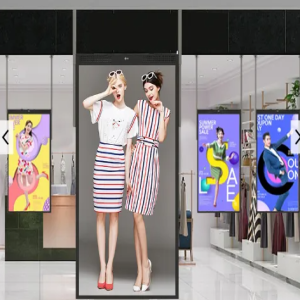
A notable player in this field is RisingStar , a professional manufacturer of high-brightness LCD monitors and a global supplier. As a modern high-tech enterprise with 100 employees, including 20 highly qualified engineers, RisingStar exemplifies the industrial adaptability of LCD technology. With a monthly production capacity of 10,000 units, the company meets diverse market demands through specialized production and sales of various LCD solutions. These include high-brightness Hi-Tni LCD panels, wide-temperature Hi-Tni LCD modules, sunlight-readable displays, window digital displays, outdoor digital signage, waterproof displays, mirror displays, and touch screens.

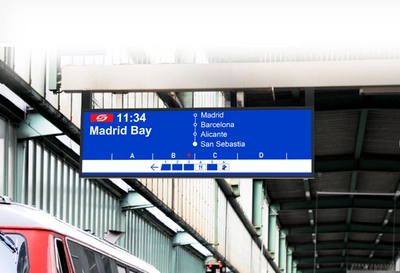
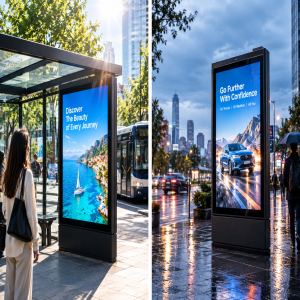
RisingStar’s products are widely applied in outdoor advertising displays, commercial window digital signage, bus stop information systems, urban road digital guidance, street advertising displays, outdoor vending machine interactive displays, ship digital displays, RV digital TVs, outdoor digital TVs, and outdoor equipment digital displays. All products comply with international standards, having passed UL, CE, ROHS, PSE, FCC, and ISO9001 certifications. The company’s market reach spans Asia, North America, Africa, the Middle East, Europe, Central and South America, and Oceania, reflecting the global demand for robust and versatile LCD solutions.
Manufacturers like LG Display, BOE Technology, and Sharp continue to invest in R&D, pushing boundaries with innovations like low-power AMOLED-LCD hybrids and ultra-high-definition (UHD) 4K+ panels for commercial signage. According to a 2024 report by IHS Markit, over 80% of global flat-panel display shipments still rely on LCD technology, underscoring its enduring relevance.
For consumers, the focus remains on value—LCDs offer superior longevity, lower burn-in risk compared to OLED, and consistent performance across different lighting conditions. As AI-driven interfaces become standard, LCDs are being optimized for adaptive refresh rates and dynamic contrast adjustment, ensuring smoother user experiences.
Ultimately, LCD technology is not stagnant—it’s adapting. With ongoing improvements in materials science, panel architecture, and software integration, it will remain a critical component in both consumer and industrial electronics for at least another decade.
ref: LCD Display Technology Trends and Applications in Modern Electronics