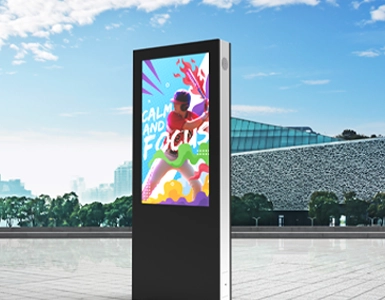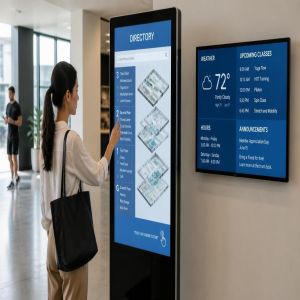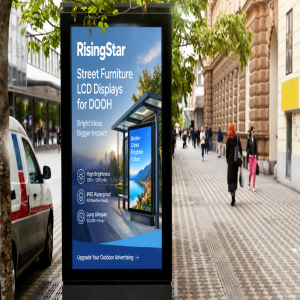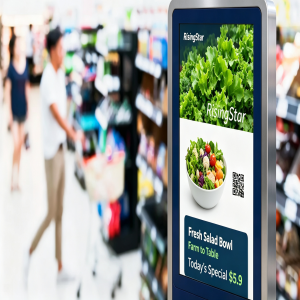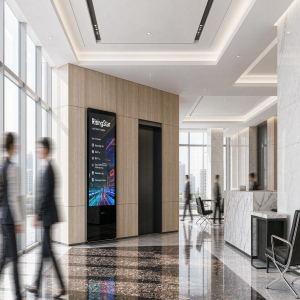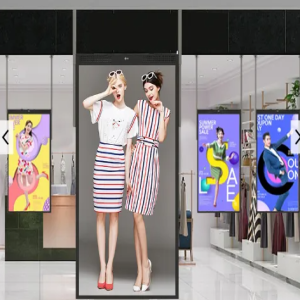
In the world of professional displays, the 21.5 inch high nits display represents a strategic "sweet spot." With a standard 16:9 aspect ratio and a 1920×1080 Full HD resolution, it offers enough screen real estate to handle complex user interfaces and high-definition video without the massive power draw or spatial footprint of larger 32- or 43-inch panels.
Whether it is a self-service kiosk, a factory control HMI, or an outdoor digital sign, this size remains compact enough for versatile mounting while providing the legibility required for professional use.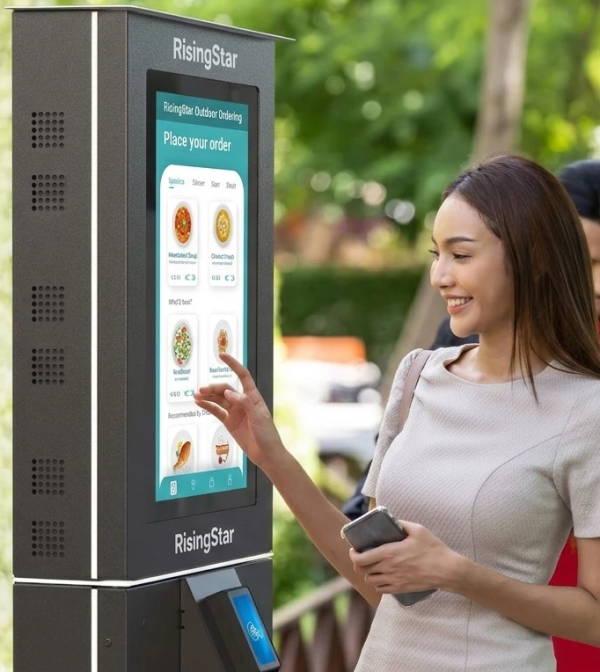
Calculating the Brightness Equation
The most critical factor in "sunlight readability" is luminance, measured in nits. A standard office monitor typically operates at 250–300 nits—which becomes a "black mirror" when placed outdoors.
To ensure content remains visible on a 21.5 inch high nits display, you must match your nit count to the specific environment: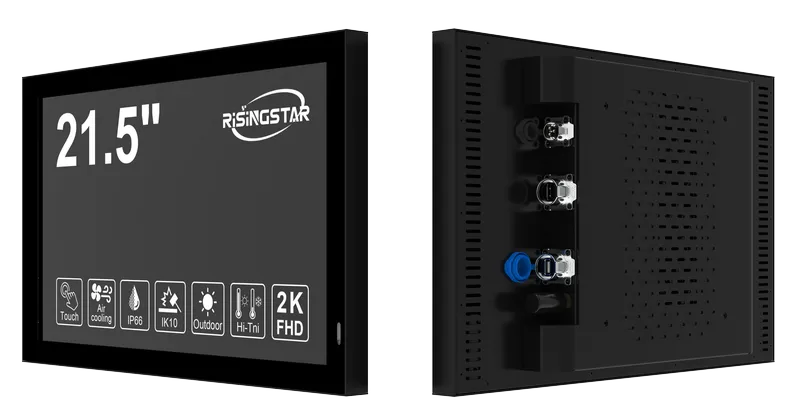
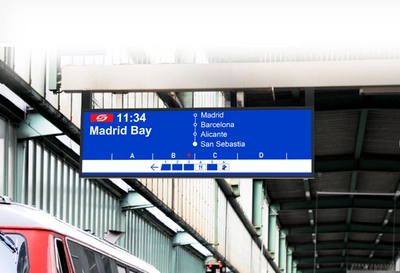
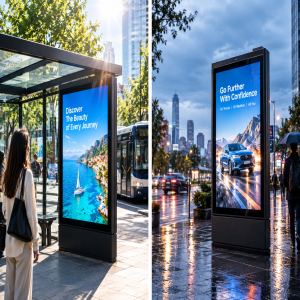
1,000 – 1,500 Nits (Semi-Outdoor): Ideal for atriums, covered bus stops, or window-facing retail displays where the screen faces indirect sunlight.
2,000 – 3,000 Nits (Direct Sunlight): The standard for outdoor kiosks and EV charging stations. This level of brightness "punches through" high-ambient light to maintain contrast.
4,000+ Nits (Extreme Environments): Reserved for high-altitude locations, desert deployments, or areas with intense solar reflection where maximum "cutting power" is needed.
Pro Tip: Look for displays with ambient light sensors. These automatically dim the backlight at night, saving energy and extending the lifespan of the WLED backlight.
Choosing the Right Integration Path
How you intend to house the 21.5 inch high nits display dictates the mechanical configuration you need. There are generally three paths:
The Open Frame Module (Embedded Integration)
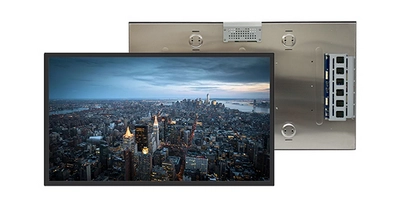
For those building custom enclosures, an open frame module is the preferred choice. These units provide the bare panel and driving electronics within a rigid aluminum chassis. They offer the highest degree of flexibility for engineers who need to integrate the screen into a larger machine or a custom-branded kiosk..webp)
The All-in-One Signage (Turnkey Solutions)
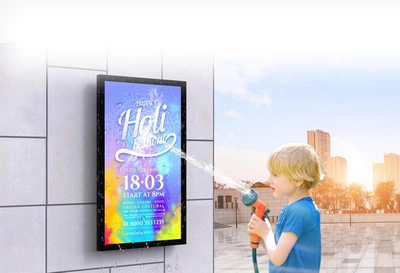
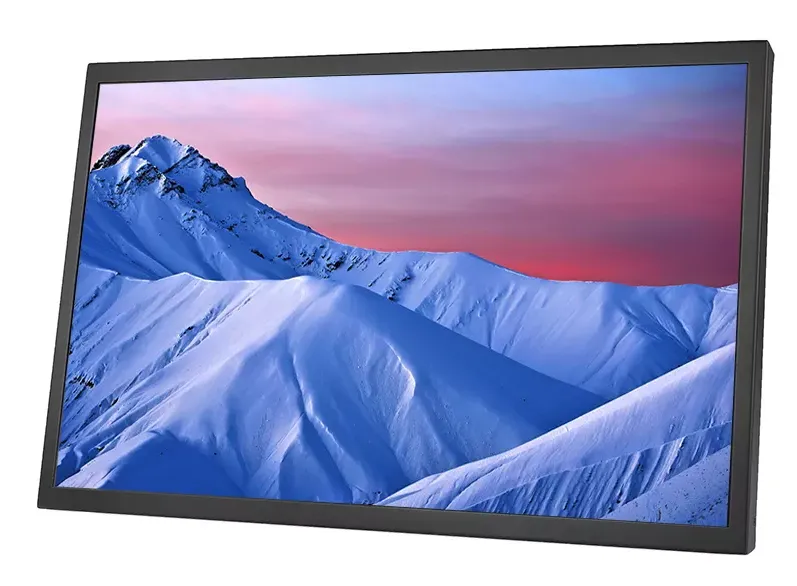
If the goal is a rapid rollout, a fully integrated wall-mounted unit is more efficient. These often come with "ruggedized" features built-in:
IP55-rated enclosures to keep out rain and dust.
Integrated thermal management (intelligent fans) to prevent isotropic blackout (the screen turning black when it gets too hot).
Vandal-resistant tempered glass (typically 6mm) for public spaces.
The Industrial Stainless Panel (Washdown Environments)
In food processing or chemical plants, the challenge isn't just sun—it's hygiene. In these cases, look for SUS304 stainless steel enclosures with IP66-rated protection. These can be hosed down with high-pressure water and resist corrosion from industrial cleaning agents.
Navigating Touch Technology
Adding interactivity requires choosing a touch technology that survives its environment.
PCAP (Projected Capacitive): The "smartphone feel." It offers excellent clarity and multi-touch capabilities. For industrial use, ensure the controller is tuned for "glove mode" or "water rejection" if the screen will be used in the rain.
Resistive Touch: Often found in factories. It is less about "scrolling" and more about "pressing." It works with any input—gloves, styluses, or tools—and is highly resistant to electrical interference.
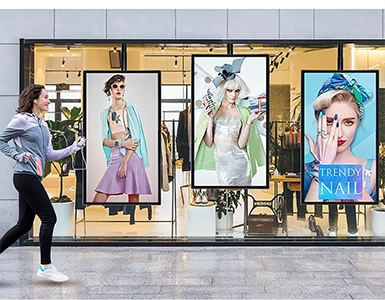
Infrared (IR) Touch: Often used in transparent LCD cabinets. Because it uses a light grid rather than a conductive layer, it doesn't reduce the transparency of the glass, making it perfect for high-end retail showcases.
Thermal and Environmental Resilience
A sunlight-readable display is also a heat-generating display. High-brightness backlights produce significant thermal energy. When selecting a 21.5 inch high nits display solution, verify:
Operating Temperature Range: Industrial-grade panels should handle -20°C to 70°C for reliable 24/7 operation.
Cooling Logic: Fanless designs are preferred for dusty environments to prevent internal buildup, whereas active fan cooling is often necessary for high-nit outdoor signage.
Optical Bonding: This process glues the cover glass directly to the LCD cell, eliminating the air gap. This significantly reduces internal reflections and improves "readability" without needing to increase the backlight power.
Selection Checklist
| Use Case | Recommended Spec | Key Feature to Seek |
|---|---|---|
| Outdoor Kiosk | 2500 Nits, IP55 | Auto-dimming sensor |
| Factory HMI | 400-1000 Nits, IP66 | SUS304 Stainless Steel |
| Luxury Retail | Transparent LCD | IR Touch + Win/Android OS |
| Custom EV Charger | Open Frame, 3000 Nits | Wide voltage input (9-36V) |
By prioritizing environmental protection and thermal management alongside raw brightness, you ensure that your 21.5 inch high nits display remains a functional asset rather than a maintenance liability.