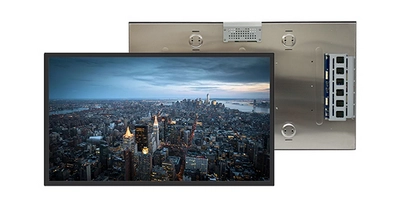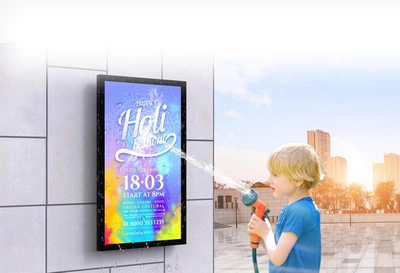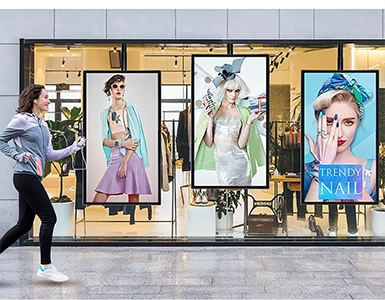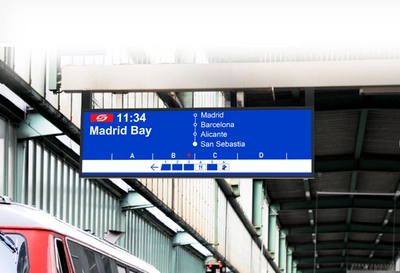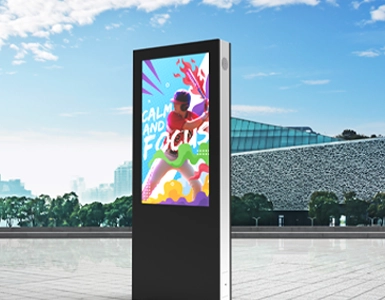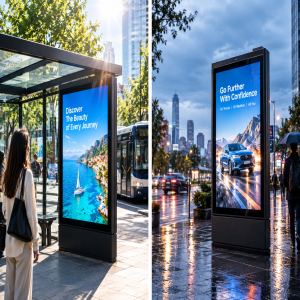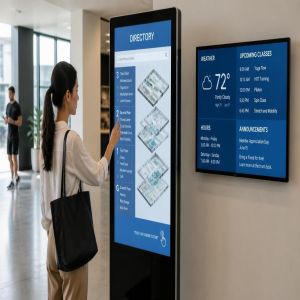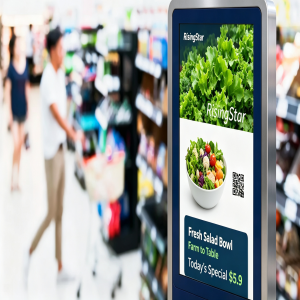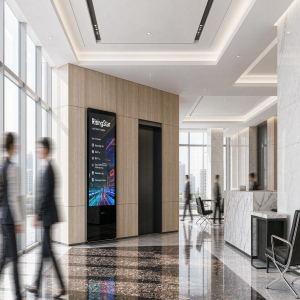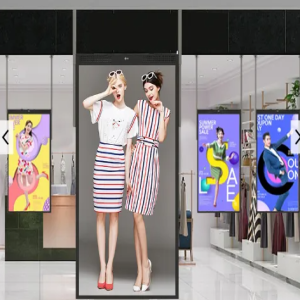
A 10.1-inch screen on an EV charger. A ticket machine at a train station. A factory control panel bolted to a machine enclosure. None of these are places where a standard tablet screen survives — and yet all of them run on a display roughly the size of an iPad.
That's the job of a 10.1 inch sunlight readable display: fit where larger panels won't, stay readable when the sun is directly overhead, and keep running when the temperature inside the enclosure hits 60°C.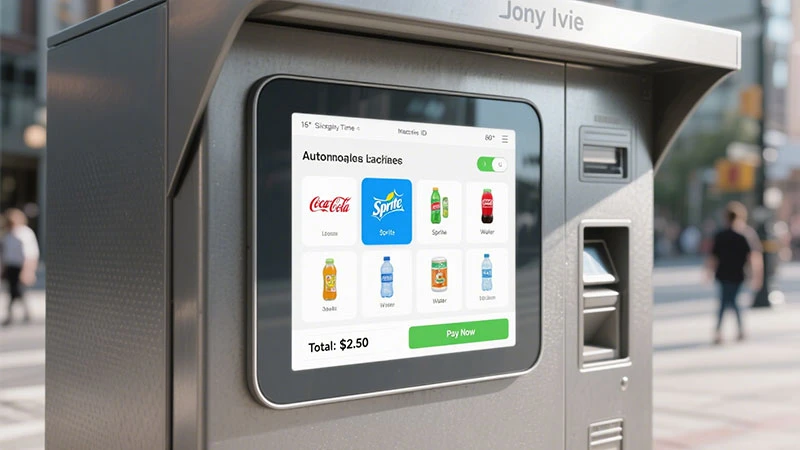
Browse our full range: 10.1" Sunlight Readable Displays | 10.1" High Brightness Industrial Displays
Why This Size, and Why It Works Outdoors
The 10.1-inch format hits a practical sweet spot. Big enough to show a payment interface, a route map, or machine diagnostics without squinting. Small enough to fit inside a compact kiosk enclosure, an EV charger pedestal, or a vehicle dashboard — with room left for the touch controller, driver board, and airflow.
But outdoors, the screen has to fight the sun. A standard 300-nit display washes out to a pale gray rectangle under daylight. That's why RisingStar's 10.1-inch outdoor modules start at brightness levels that indoor monitors can't touch — and combine that luminance with technologies that keep the image sharp when conditions get harsh.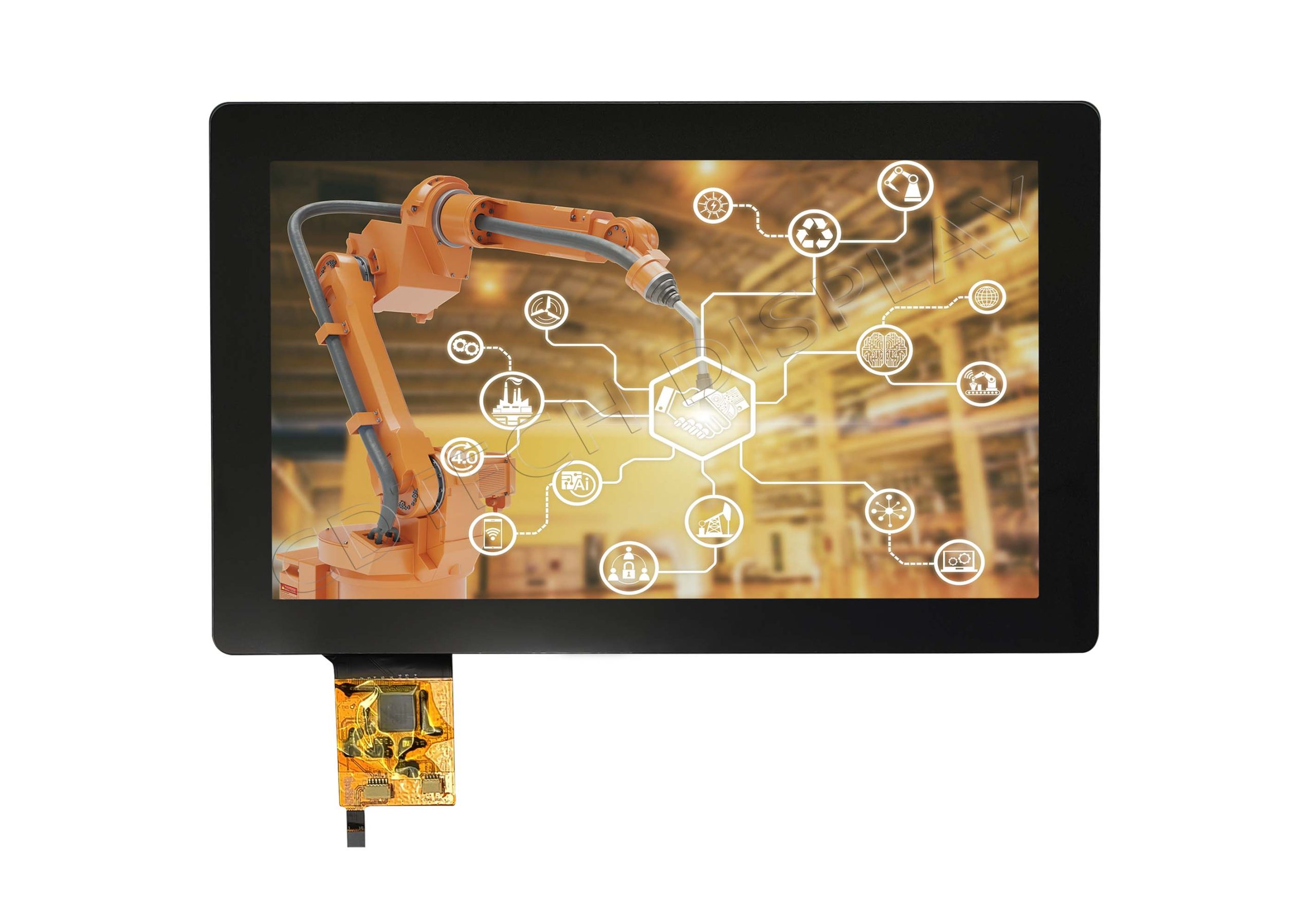
The Three Things That Make an Outdoor Display Actually Work
1. Brightness You Can See at Noon
1,000 nits is the practical floor for direct sunlight. At 1,500 nits, you've got headroom — the screen stays readable even in desert sun or reflected glare off snow and glass. RisingStar's 10.1-inch panels cover 500 to 1,500 nits across the product line, so you spec what your environment actually needs, not the highest number on the datasheet.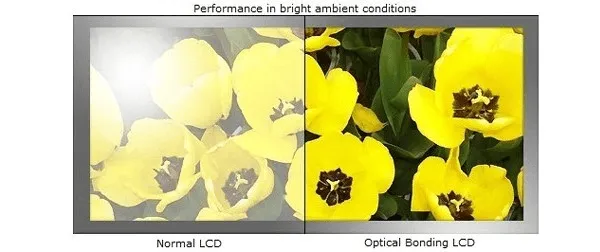
Higher brightness means more heat. A 1,500-nit panel draws 40–60% more backlight power than a 1,000-nit one. If your enclosure has limited thermal headroom, pair high brightness with an ambient light sensor — the display auto-dims to 600–800 nits when the sun isn't blasting, extending backlight life and cutting power consumption.
2. Optical Bonding: No Fog, No Glare
In a standard display, there's a tiny air gap between the LCD panel and the protective glass. Under sunlight, that gap reflects about 8–10% of ambient light — enough to wash out the image. At night, when temperatures drop, moisture condenses inside that gap, fogging the screen from the inside.
Optical bonding fills the gap with a clear adhesive matched to the glass. Surface reflection drops below 1.5%. Internal fogging becomes impossible — because there's no cavity for moisture to condense in. For outdoor kiosks, EV chargers, and vehicle dashboards that cycle through day-night temperature swings, optical bonding isn't optional.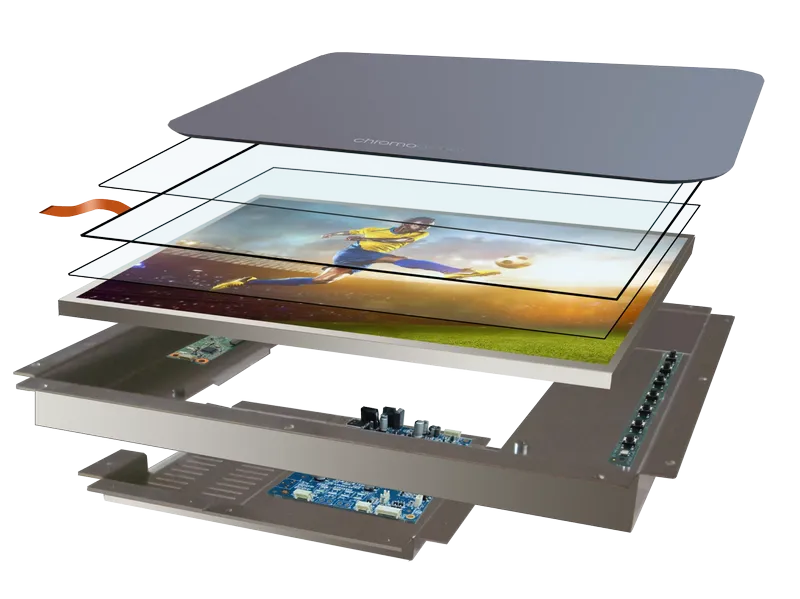
3. Hi-Tni: So the Screen Doesn't Cook Itself
Standard LCD panels have a thermal limit: around 70–80°C, the liquid crystal layer loses its structure and the screen develops permanent black patches. In a sealed outdoor enclosure under direct sun, that temperature threshold gets crossed fast.
RisingStar's 10.1-inch outdoor displays use Hi-Tni liquid crystal — chemically engineered to hold its structure past 110°C. That extra 30–40°C of thermal headroom is the difference between a display that runs for years and one that gets replaced after its first summer.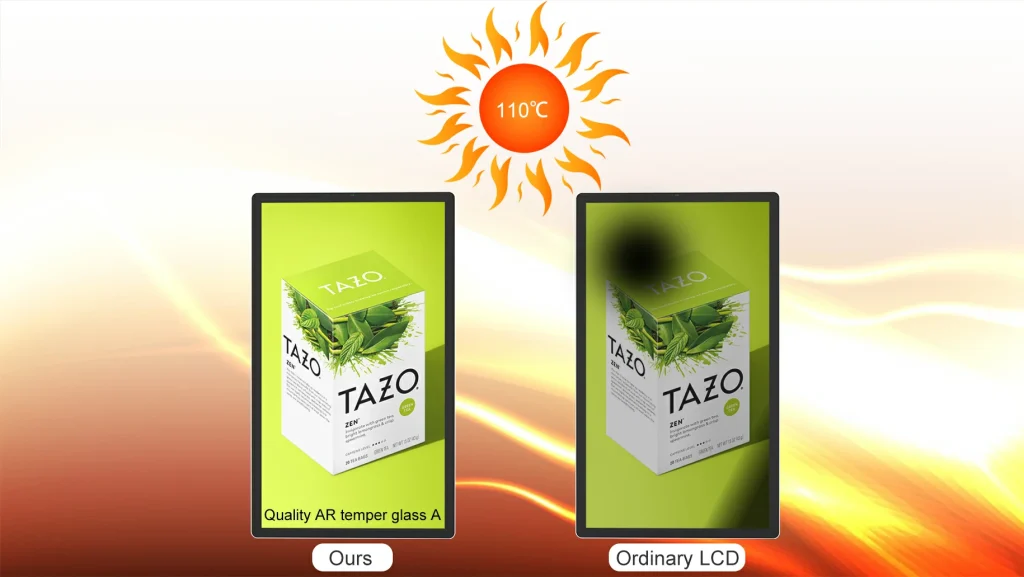
What About Touch?
If people are going to poke the screen — and they will, on an EV charger, a self-service kiosk, or a factory HMI — you need touch that works in the real world. RisingStar's RS101ENT-N10 with PCAP optical bonding handles:
Gloved fingers — factory operators, medical staff, winter commuters
Wet hands — rain, spills, condensation on outdoor kiosks
10-point multi-touch — pinch-to-zoom, swipe, multi-finger gestures
The touch controller connects via USB (plug-and-play on Windows, Linux, Android) or I²C (direct embedded integration).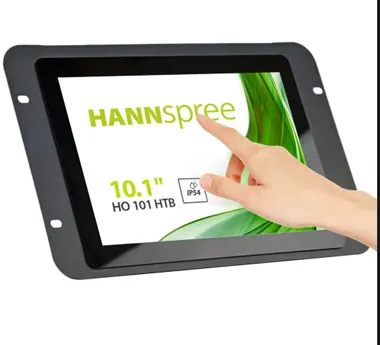
Which Configuration Fits Your Application?
| Application | Recommended Brightness | Key Spec |
|---|---|---|
| Shaded kiosk / semi-outdoor | 500–800 nits | Standard IPS, AG coating |
| EV charger / fuel pump | 1,000–1,500 nits | Hi-Tni + optical bonding + PCAP touch |
| Direct sun, no shade | 1,500 nits | Hi-Tni + OCA + AR coating |
| Vehicle dashboard | 800–1,000 nits | Wide temp (-20°C to +70°C), EMI-shielded FPC |
| Factory HMI / machine panel | 500–1,000 nits | Resistive or PCAP touch, LVDS interface |
For FHD detail — map navigation, diagnostic imaging, multi-language transit signage — the RS101ENT-N10 FHD variant delivers 1920×1080 resolution in the 10.1-inch footprint.
Need to tune brightness to a specific deployment? The RS101ENT-N05 platform supports flexible luminance configuration within the same mechanical envelope.
Interface: What Plugs Into What
| Interface | Best For |
|---|---|
| LVDS | Industrial boards, long cable runs, best noise immunity |
| eDP | Modern SBCs, compact pin count, lower power |
| HDMI | Rapid prototyping, commercial single-board computers |
Built to Stay in Production
RisingStar manufactures 10.1-inch sunlight readable displays in a 4,000 m² ISO 9001-certified facility in Shenzhen. Every module goes through 100% factory inspection and a 72-hour burn-in before shipping. We source Grade A/A+ panels from LG Display, AUO, BOE, Innolux, and Tianma — with 1–3 year supply commitments so your product line doesn't get blindsided by a discontinued panel.
Samples ship in 10 working days. Engineering response within 8 hours.
📧 ai@risinglcd.com · 💬 +86 158 8946 9208 · 🌐 www.risinglcd.com