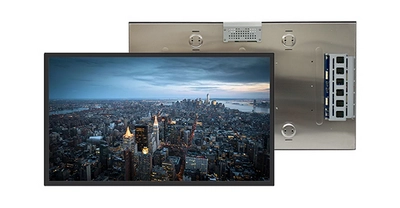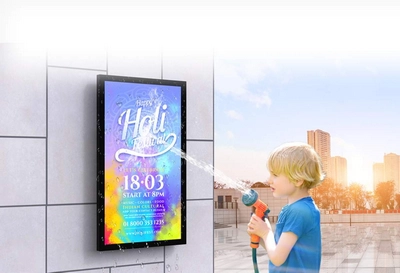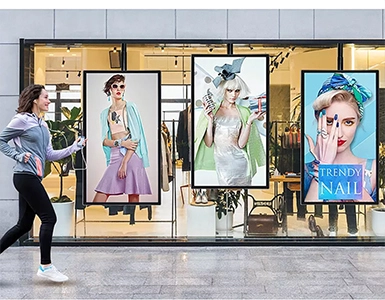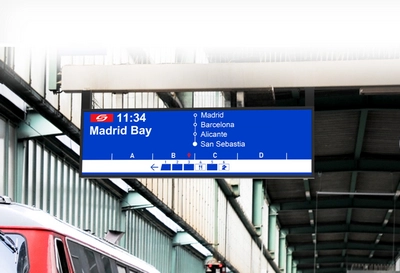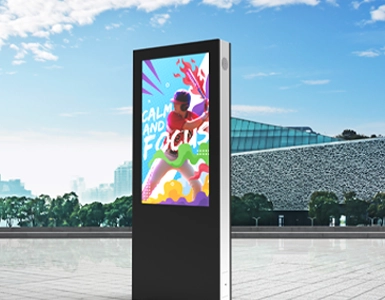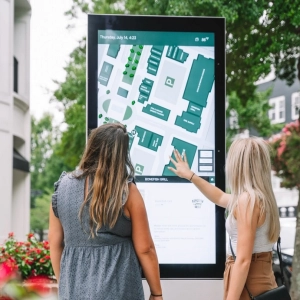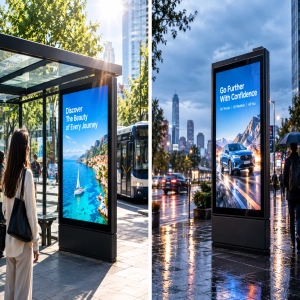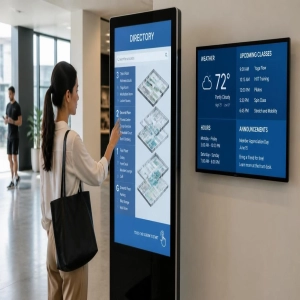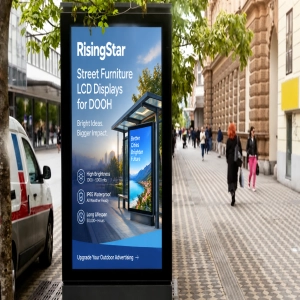
Outdoor digital billboards to handheld devices used in open - air settings, these LCDs are designed to ensure that content remains clear and legible even under the harsh glare of the sun. But as technology is deployed in diverse climates around the globe, a pressing question arises: Can Sunlight Readable LCDs withstand low temperature environments?
Why Low-Temperature Performance Matters for Sunlight Readable LCDs
Displays deployed in cold environments face:
Slow response times (screen lag or ghosting below -20°C/-4°F)
Backlight failure (LED efficiency drops in extreme cold)
Condensation risks (internal fogging during temperature swings)
Brittle components (plastic polarizers cracking under thermal stress)
How Industrial-Grade Sunlight Readable LCDs Survive the Cold
1. Extended Temperature Range (-30°C to +80°C)
Specialized sunlight readable LCDs use low-temperature liquid crystal materials and hardened components to operate in:
• Arctic vehicle dashboards
• Refrigerated warehouse monitors
• Outdoor kiosks in ski resorts
2. Heated Backlight Systems
1. To maintain 1000–2500 nits brightness in freezing air:
2. Automatic heating circuits prevent backlight dimming
3. Thermal sensors adjust power output dynamically
3. Optical Bonding for Condensation Resistance
Laminated glass with anti-fog interlayers prevents moisture buildup—critical for:
Aviation displays (altitude-induced temperature drops)
Marine navigation screens (cold sea spray conditions)
4. Military-Validated Durability
Panels certified to MIL-STD-810G and IEC 60068-2-1 withstand:
Thermal shock testing (-40°C to +70°C cycles)
Vibration from snow vehicles or helicopters

Key Industries Requiring Cold-Proof Sunlight Readable LCDs
Transportation: Railway displays, electric bus dashboards
Oil & Gas: Drilling rig monitors in Alaskan winters
Defense: Tactical field equipment for Nordic operations
Smart Agriculture: Greenhouse control panels
3 Questions to Ask Your LCD Supplier
"What’s the minimum startup temperature?" (Some panels need pre-heating below -30°C)
"Is optical bonding included?" (Non-bonded screens fog instantly in humidity)
"Can you provide 5-year cold-environment performance data?" (Avoid untested prototypes)
For bulk buyers: Demand panels with low-temperature TFT enhancements and industrial MTBF ratings—not just sunlight visibility.