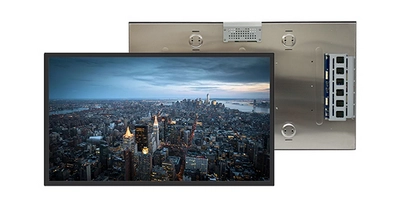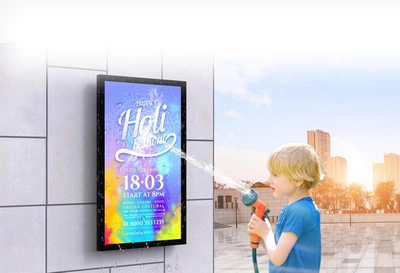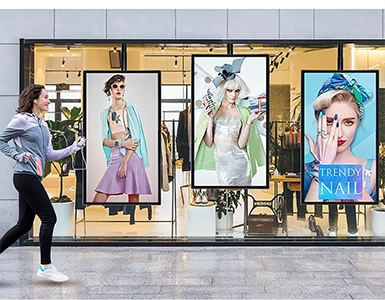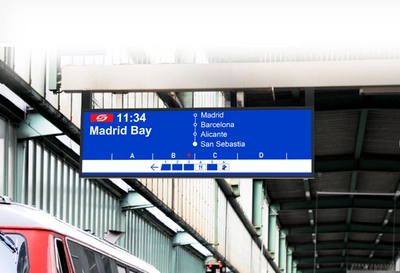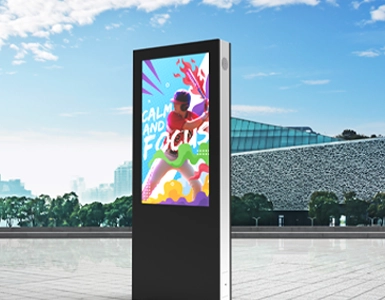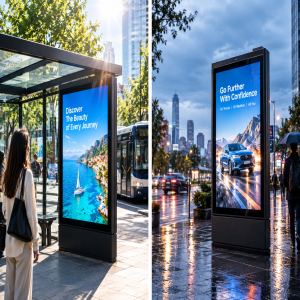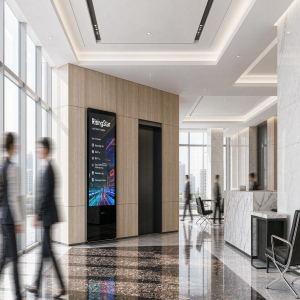
Outdoor displays face different levels of water exposure. A gas station kiosk under a canopy gets wind-blown rain. A street-level totem sits exposed to the weather with no overhead cover. A marina display faces salt spray and wave splash. Every environment requires a different level of protection — and choosing the wrong IP rating leads to water ingress, screen failure, and costly replacements.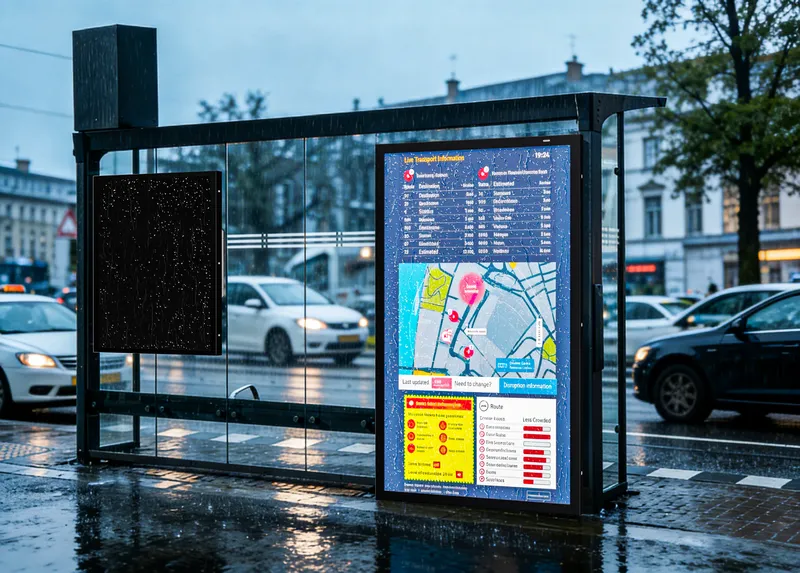
IP65 and IP66: The Two Ratings You Actually Need to Know
| Rating | What It Stops | Real-World Equivalent | When You Need It |
|---|---|---|---|
| IP65 | Dust + water jets | Heavy rain, wind-driven spray, standard water exposure | Gas station, EV charger, drive-thru, covered kiosks |
| IP66 | Dust + powerful water jets | Heavy rain at high wind speed, marine spray, industrial washdown | Street-level kiosks, marinas, coastal signage, transit platforms |
The first digit (6) means dust-tight. That's non-negotiable for any outdoor display — dust inside the screen degrades brightness, creates hot spots, and can short the controller board.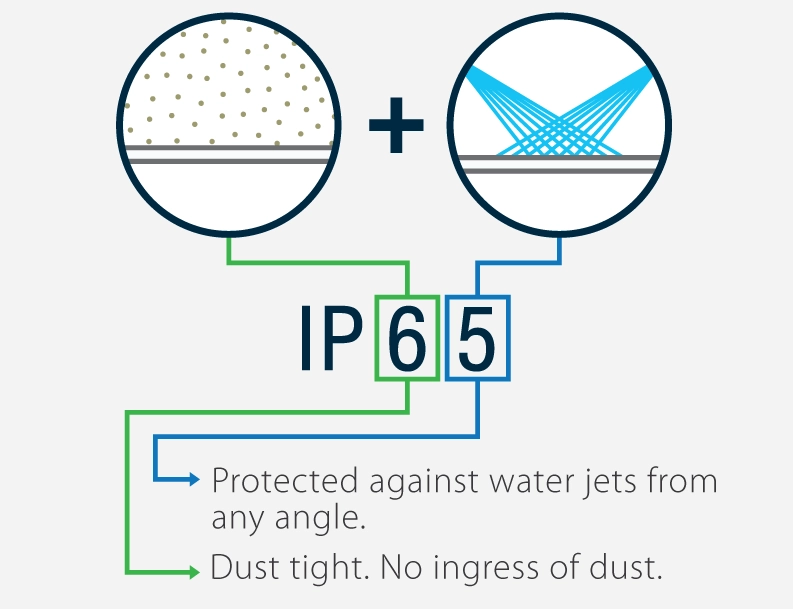
The second digit is where the real separation happens. IPX5 uses a 6.3mm nozzle at 12.5 liters per minute. IPX6 uses a 12.5mm nozzle at 100 liters per minute. Same test distance, same test duration — eight times the water flow rate. That's the difference between surviving heavy rain and surviving storm-driven waves.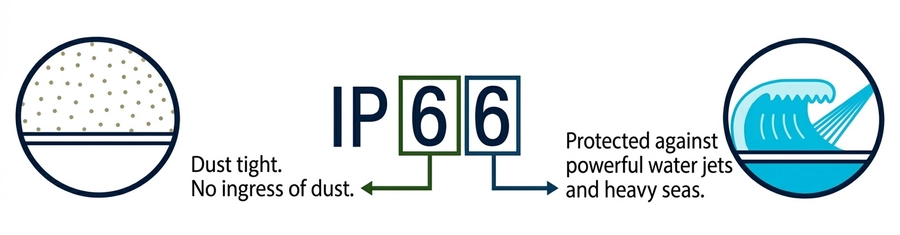
Match Your Deployment to the Right IP Rating
Gas station, EV charger, drive-thru (under canopy): IP65 is enough. The canopy blocks direct downpour. Wind-blown rain reaches the display, but the IP65 water jet test covers that. A display mounted under a roof doesn't face direct water jets with the force that IP66 is designed to withstand.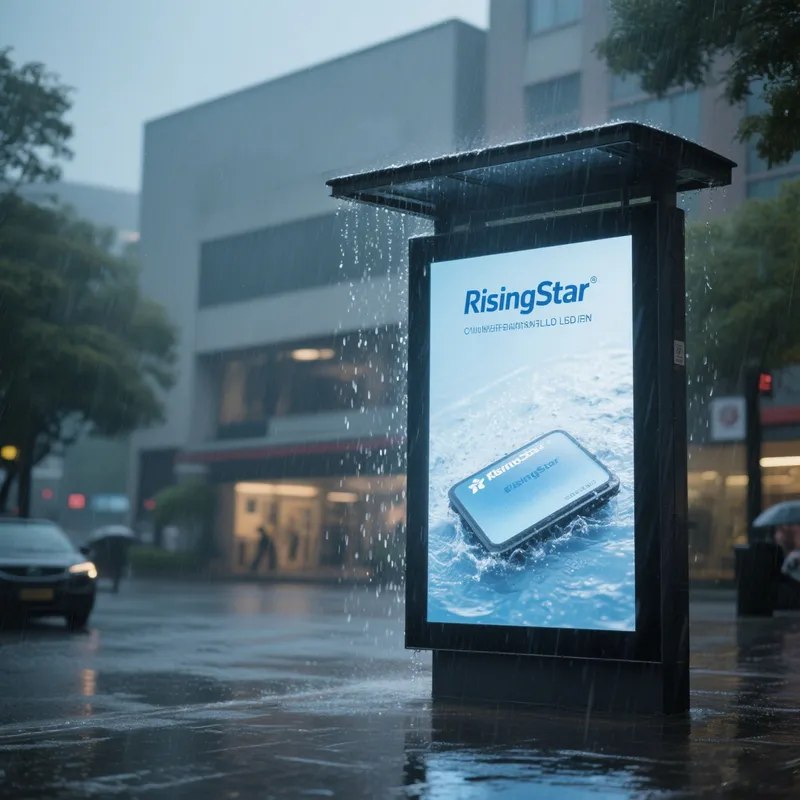
Browse outdoor display solutions with IP65 front sealing as standard.
Street-level kiosk, transit platform, open-air signage: IP66 is recommended. These displays face wind-driven rain with no overhead cover. In coastal or marine environments, salt spray and storm conditions demand higher protection. For installations where the display may be exposed to high-pressure water during cleaning, IP66 provides an additional safety margin.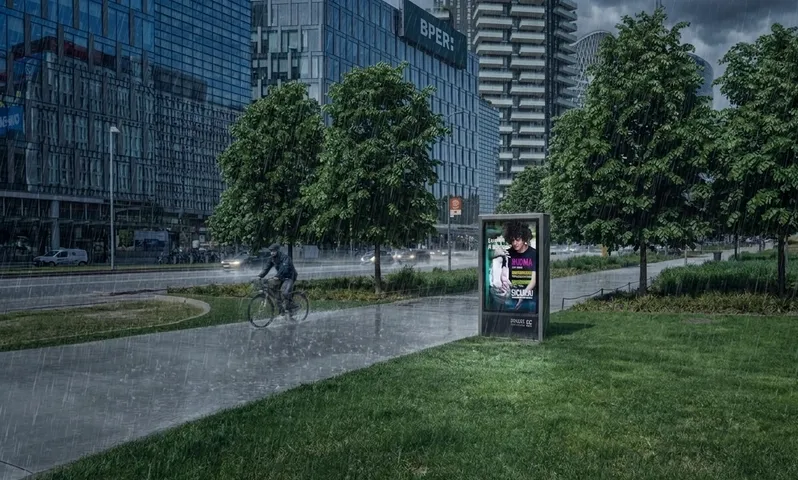
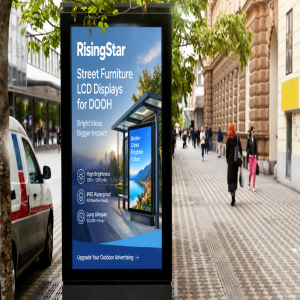
RisingStar's waterproof outdoor displays include IP66 front sealing with EPDM gaskets rated for continuous outdoor exposure.
Marina, coastal, high-exposure: IP66 is recommended. IP66 provides the water-ingress protection needed against wave splash and storm conditions. Note that IP ratings test only water and dust ingress per IEC 60529 — they do not test for salt spray or corrosion. For coastal deployments, corrosion resistance must be addressed separately through material selection (marine-grade stainless steel, anti-corrosion coatings) and enclosure design.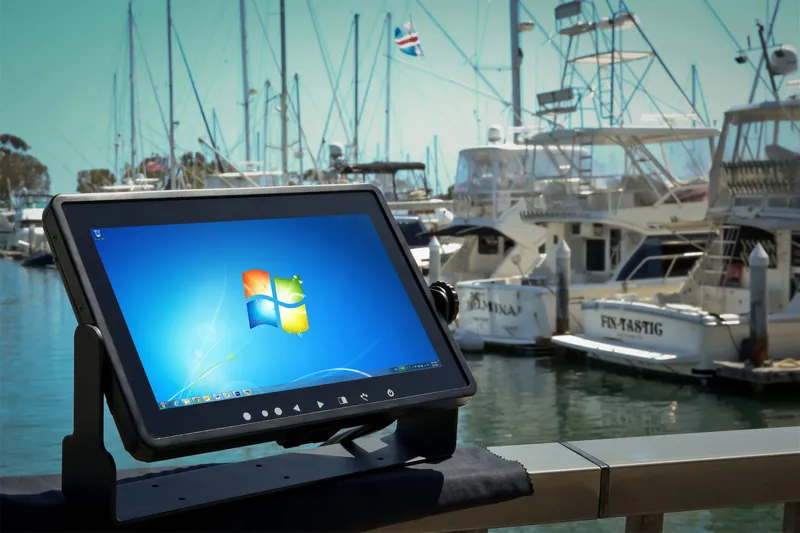
What Makes an IP Rating Real
A datasheet claim is not a test result. Before you buy, verify:
The IP rating was tested by an accredited laboratory, not self-declared
The gasket should be premium EPDM — not generic foam that degrades under UV exposure in a single summer
The mounting surface is flat enough for even gasket compression
The test certificate matches the deployment environment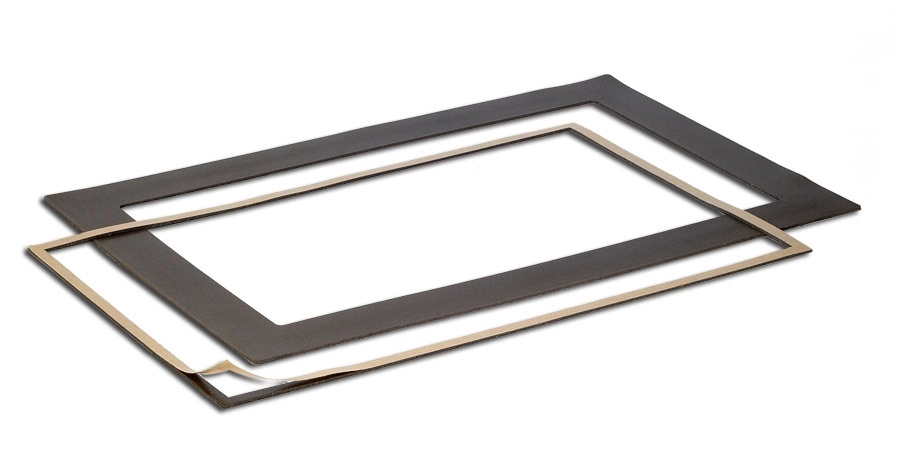
RisingStar's outdoor displays undergo full IEC 60529 water ingress testing, featuring industrial-grade EPDM gaskets and a CNC-machined aluminum chassis. We place mounting points every 200–300mm to ensure uniform gasket compression. Every unit gets 100% factory inspection and a 72-hour burn-in before shipment.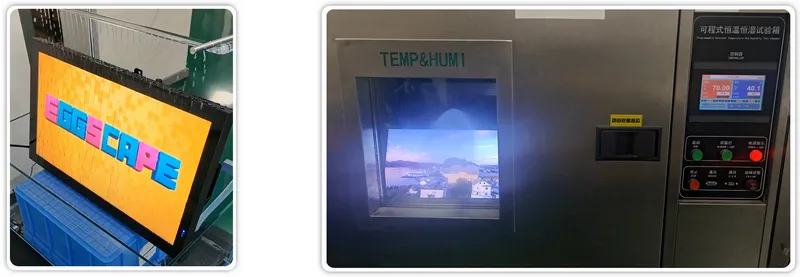
The Short Version
| Your Deployment | Minimum IP | Why |
|---|---|---|
| Under a canopy or awning | IP65 | Wind-blown rain, not direct water jets |
| Street-level, exposed to weather | IP66 | Heavy rain, wind-driven spray, marine environments |
| Marina, coastal, salt spray | IP66 | Wave splash, storm conditions, and high-pressure water ingress |
Pick the right one, and the display outlasts the enclosure it's mounted in.