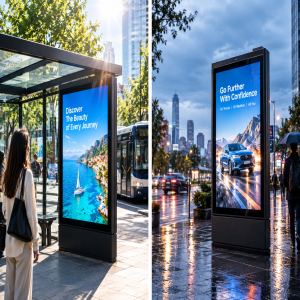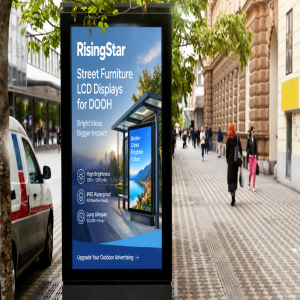
While the display has higher brightness, the color performance is often worse than with lower brightness. Here are some solutions from RisingStar to keep the display with excellent color performance.
The nature of color in digital displays is actually a mix of primary colors (usually red, green, and blue). More levels of brightness for each of the colors mean the color range of the LCD will be larger.
This is how we calculate it: In RGB mode, each color has 256 levels of brightness. With three colors, there are 256^3 types of colors that can be displayed in this mode. 256^3=167772162563=16777216, which is approximately 16.7 million, or 16.7M. This is the 16.7M color range we can see in the specifications of the LCD monitor on Amazon.

Now, you know why the brightness of the LCD will affect the color range because higher brightness will affect the brightness of the colors. One example is the white and black colors on the screen; we can still use RGB mode.
Ideally, when the LCD screen displays black, the brightness level of each of the RGB colors should be (0, 0, 0) at minimum; when the LCD screen displays white, the numbers will be (256, 256, 256) at maximum. This is what pure white and black look like.


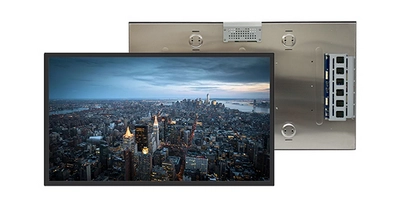
However, when we observe an LCD in real life, it usually looks like this:

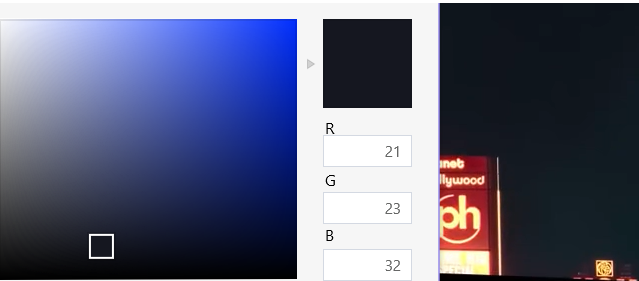
The sky looks grayish instead of perfectly black. At this time, the minimum color of the LCD is (21, 23, 32), which means the color range of the LCD is lower than the 16777216 we just calculated.
This is because the LCD has a different structure from LED and OLED screens. The backlight is always working, even when the LCD is showing black colors. The light penetrates the film and glass in front of the LED backlight, making the screen look grayish instead of perfectly black.
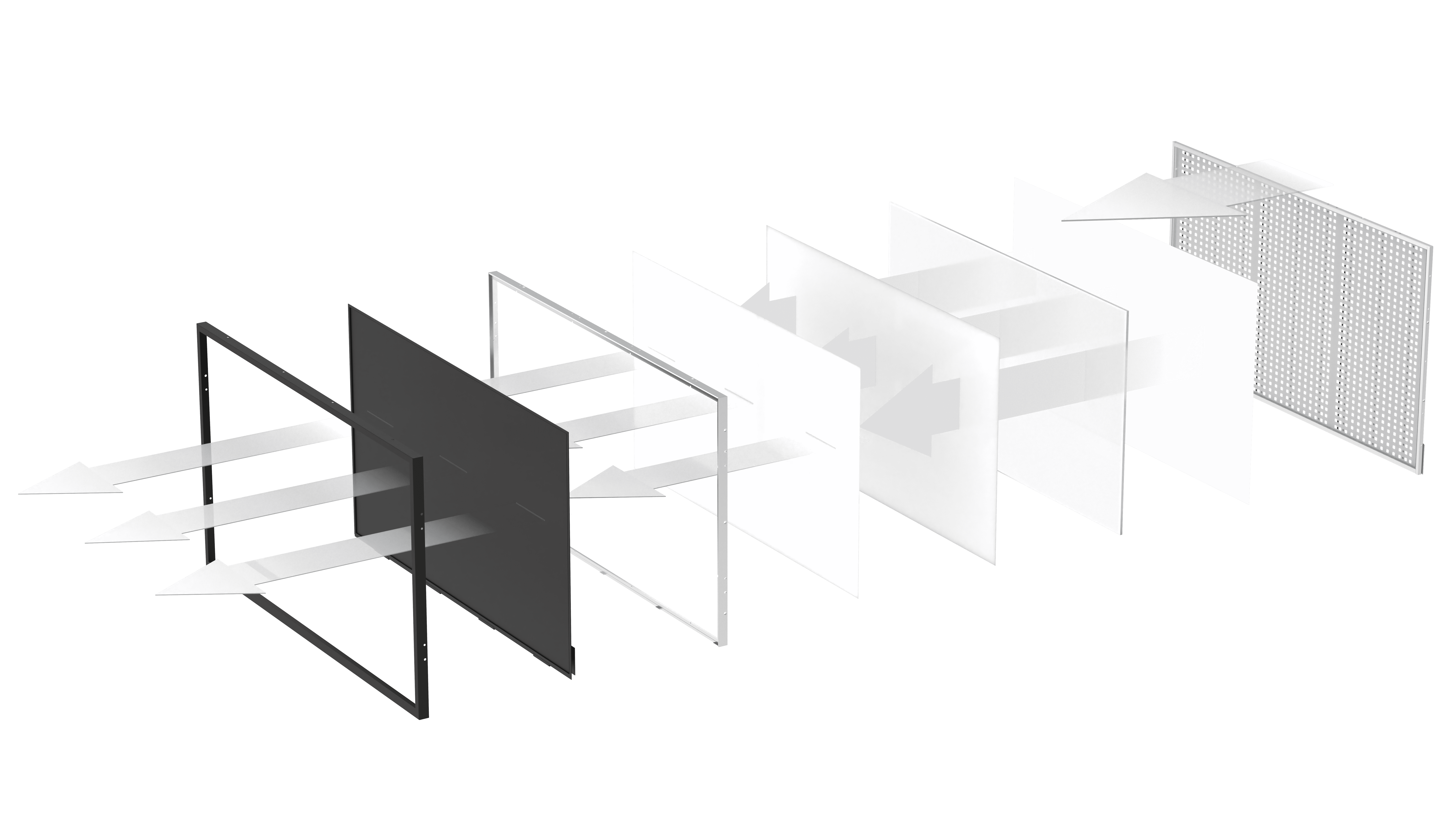
To understand simply, there is an additional color (white) when the LCD displays in RGB mode. To solve this problem, we need adjust the backlight with the LCD open cell and make them matched to decrease the effects from high brightness.
In general, the LCD open-cell actually filters the white light from the LED backlight. If we change the color of the light from the backlight, the color displayed by the LCD after the filter will change as well. This gives us a way to revise the color performance while the LCD is in high brightness conditions.
This calibration will take time until we find the color that can perfectly match the colors filtered by the LCD, minimizing the effects of higher brightness as much as possible.