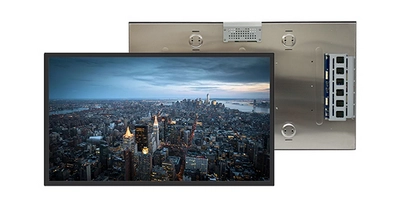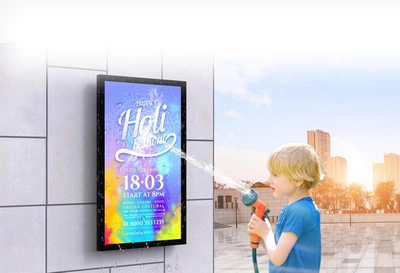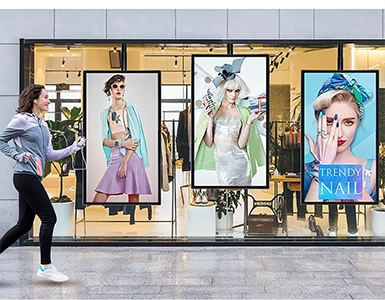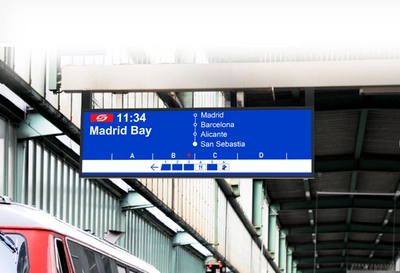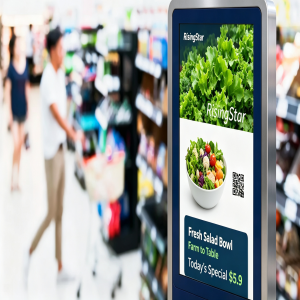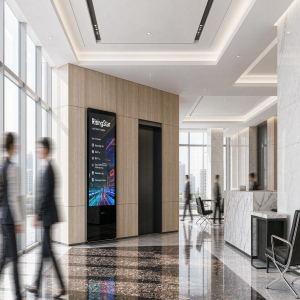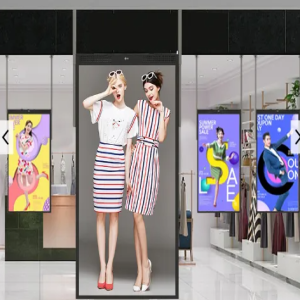
RisingStar’s sunlight-readable LCD technology redefines the standard for human-machine interfaces in extreme environments. Engineered to deliver uncompromising visibility under direct sunlight, combined with robust durability and intelligent power management, these displays are purpose-built for mission-critical applications where failure is not an option. By integrating high-luminance optical systems, adaptive thermal control, and extensive customization, we provide engineers and integrators with a reliable foundation for demanding industrial, military, and public infrastructure projects.
Technology Overview of Sunlight-Readable LCD Displays
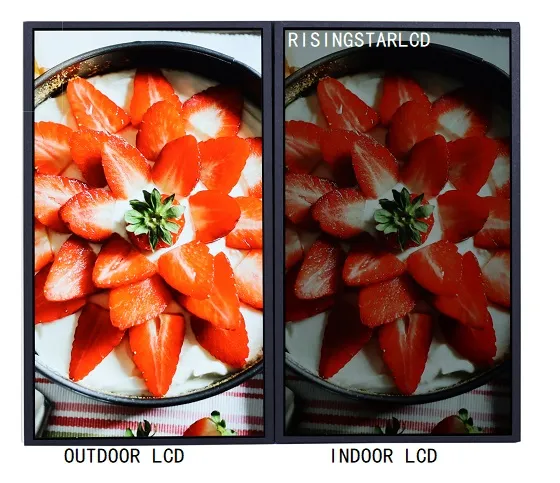
At a fundamental level, the challenge of sunlight readability is one of competing luminance. Direct sunlight can reach intensities of 100,000 lux or more, while a standard indoor LCD might emit only 300 to 500 nits (cd/m²). This overwhelming ambient light washes out the displayed image, rendering content illegible. RisingStar addresses this through a multi-layered approach encompassing advanced optical and electrical engineering.
Core Technology: High-Brightness Backlight and Optical Stack. RisingStar displays are built on active matrix Thin-Film Transistor (TFT-LCD) panels. By itself, the liquid crystal layer does not emit light; it acts as a precise light shutter. Traditional “LED” TVs are, in fact, LCD panels with an LED backlight. RisingStar’s proprietary backlighting system is a direct-lit LED array, significantly more powerful and configurable than the edge-lit designs common in consumer electronics. This dual-layer LED array can achieve calibrated peak brightness levels of up to 7,000 cd/m², ensuring the emitted light from the panel far exceeds the brightest ambient reflections on the screen surface.
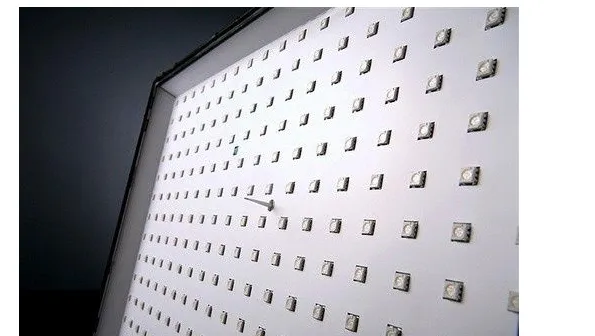
Optical Enhancements. Achieving high luminance alone is insufficient if surface reflections are not controlled. RisingStar employs direct optical bonding, laminating the LCD cell directly to the cover glass. This process nearly eliminates the air gap between layers, reducing internal reflections by over 95%. The outermost surface is treated with an advanced anti-glare coating, which diffuses incoming light to prevent specular reflections. This combination ensures a high contrast ratio, often exceeding 1000:1, critical for maintaining image definition under high ambient light. Technologies such as AHVA or IPS panels provide wide viewing angles of up to 178°, ensuring content remains visible from virtually any operator position.
Application Domains & Compatibility
RisingStar displays are not a general-purpose solution but are engineered for specific environmental and operational challenges. The selection of the correct model—based on brightness, ruggedness, and interface—is paramount for system success.
Industry/Application | Primary Challenges | RisingStar Technology Match |
|---|---|---|
Transportation (Aviation, Marine, Railway) | Extreme temperatures, moisture, salt spray, high vibration, direct sun exposure. | Wide-temperature operation (-30°C to +70°C), IP66/IP67 sealing, MIL-STD-810G shock/vibration compliance. |
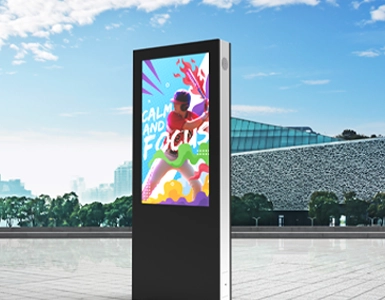
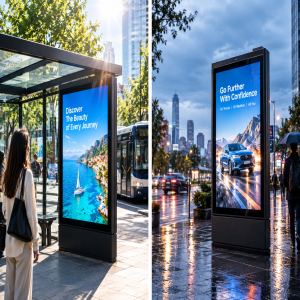
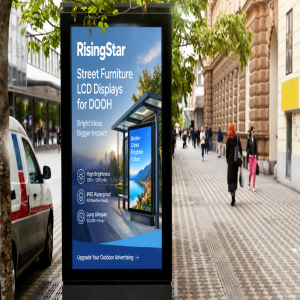
Public Information & Digital Signage (Bus stops, airports, highways) | 24/7 operation, weather exposure, vandalism potential, critical readability under full sun. | High brightness (3,000 to 7,000 nits), vandal-resistant glass, IP65 enclosures, remote content management. |
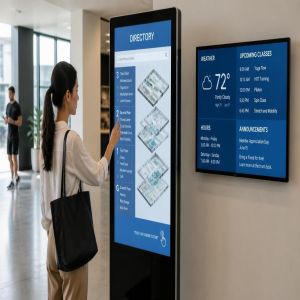
Industrial Automation & HMI (Mining, oil & gas, factory floors) | Dust, dirt, chemical exposure, high ambient light, operator safety. | Optical bonding for clarity, IP-rated sealing, intuitive capacitive or resistive touch integration. |
Medical & Diagnostic Field Equipment | Need for accurate color and detail interpretation in varying light, hygiene, portability. | High contrast, color accuracy, anti-fingerprint coatings, and low-power modes for battery life. |
The key is to match the technical specifications—brightness, temperature range, ingress protection, and interface—to the specific environmental hurdles of the application.
Energy Efficiency Through Dynamic Dimming Technology
A display achieving 5,000 nits of brightness would be impractical if it consumed maximum power continuously. RisingStar’s energy efficiency is driven by intelligent, dynamic dimming technology that optimizes power use without sacrificing visibility.
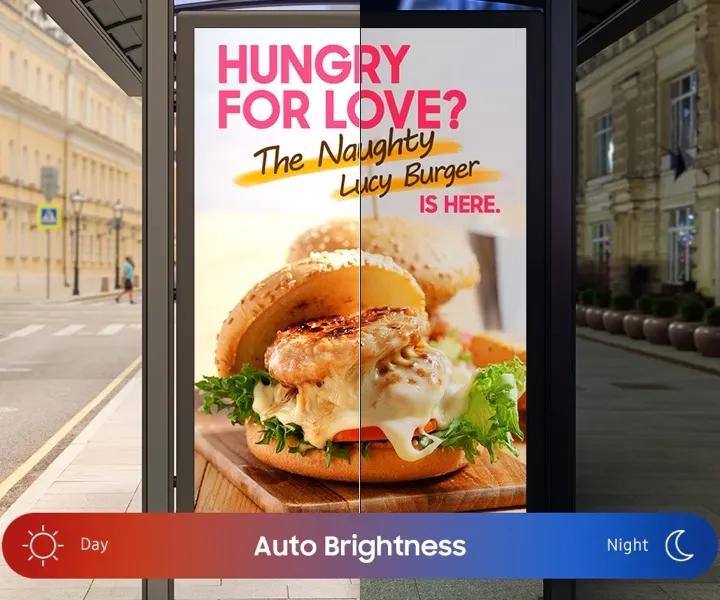
The system is anchored by a high-precision ambient light sensor (ALS). This sensor continuously measures the surrounding lux level, feeding data to the display’s controller. The controller then dynamically adjusts the backlight LED array’s output. In bright daylight, the backlight operates at high power to overcome ambient light. As dusk falls or when moved indoors, the backlight intensity is scaled down precisely to maintain a comfortable and legible contrast while drastically reducing power draw. In low-light or night conditions, the display can dim to minimal levels, reducing power consumption by up to 40% compared to static high-brightness operation.
Backlight Control Mechanisms. Two primary hardware methods are used: DC dimming and Pulse-Width Modulation (PWM). For fine-grained control, especially at lower brightness levels, RisingStar utilizes high-frequency PWM to adjust brightness without color shift or flicker. The backlight array itself can be designed with local dimming zones, allowing darker areas of an image to have their corresponding LEDs dimmed, further enhancing perceived contrast and saving energy. This dynamic contrast enhancement ensures black levels remain deep, and power is not wasted illuminating dark pixels.
Thermal Management & Operational Stability
Sustained high-brightness operation generates significant heat, which is the primary enemy of electronic reliability. RisingStar’s thermal management philosophy employs both passive and active strategies to maintain a stable internal environment across an extended operating temperature range of -30°C to +70°C.
Passive cooling forms the foundation. The display enclosure is constructed from aluminum alloys, which act as a large heat sink, conducting heat away from the LED backlight array and driver electronics. Strategic ventilation channels allow for natural convection, promoting airflow without the need for moving parts. For higher wattage models or applications in particularly stagnant, hot environments, an integrated, temperature-controlled fan system provides active cooling. This fan is calibrated to activate only when needed, balancing cooling efficiency with noise reduction and power use.
This robust thermal design directly enables longevity. By preventing excessive heat buildup, the system mitigates stress on LEDs (enhancing lifespan beyond 50,000 hours) and prevents liquid crystal degradation. Combined with an IP66 rating—providing complete protection against dust ingress and powerful water jets—this thermal resilience ensures the display maintains performance integrity in challenging outdoor settings, from desert heat to coastal humidity, validated by extended field testing in climates like Phoenix, Arizona.
Technical Specifications Table
The following table details the core parameters for a representative 21.5-inch sunlight-readable industrial display from RisingStar, illustrating the balance of performance, durability, and adaptability.
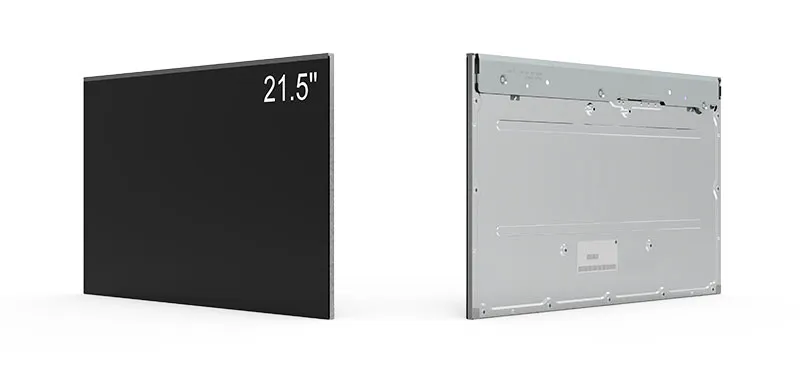
Parameter | Specification |
|---|---|
Display Size | 21.5 inch diagonal |
Active Area | 476.64 mm (W) × 268.11 mm (H) |
Resolution | 1920 × 1080 (Full HD) |
Display Type | a-Si TFT-LCD, IPS/AHVA technology |
Brightness (Standard) | 1,000 cd/m² |
Brightness (High-Brightness Option) | Up to 3,000 cd/m² |
Contrast Ratio | 1200:1 (Typical) |
Viewing Angle | 178° (H) / 178° (V) |
Backlight Type | Direct-lit White LED Array |
Backlight Lifetime | 50,000 hours minimum (to 50% brightness) |
Interface | eDP (embedded DisplayPort), optional LVDS |
Touch Screen | Optional: Projected Capacitive or 5-Wire Resistive |
Operating Voltage | 12 V DC (Range: 9V - 36V) |
Power Consumption | Approx. 35W @ 1,000 nits; scales with dimming |
Operating Temperature | -30°C to +70°C |
Storage Temperature | -40°C to +80°C |
Ingress Protection | IP66 (Front panel) |
Certifications | CE, RoHS, REACH |
Customization Services
RisingStar recognizes that standard specifications rarely match the exact needs of an integrated product. Our OEM/ODM services provide the flexibility to tailor the display to your system’s unique requirements.
Core Customization Options:
Brightness & Optical Stack: Standard brightness can be elevated to 3,000, 5,000, or even 7,000 nits for the most demanding outdoor applications. We can adjust anti-reflective and anti-fingerprint coatings.
Touch Integration: Integration of touch technology is seamless, offering a choice of surface capacitive, projected capacitive (PCAP) for multi-touch and high clarity, or ruggedized resistive touch for glove or stylus operation.
Mechanical & Environmental: Modifications include custom bezel dimensions, mounting hole patterns, reinforced glass for vandal resistance, and enhanced sealing for IP67 or specific military standards (MIL-STD-810G).
Electrical & Interface: Adjustments to input voltage range, integration of specific control boards, and support for unique video interfaces or serial control protocols are possible. We also offer bonding of cover glass with custom decorative masks or logos.
FAQ for Integrators & Distributors
1. How do you verify a display’s “sunlight readability?”
We quantify it through objective metrics. In our labs, displays are tested under calibrated 10,000 lux light sources. The key measure is the contrast ratio under this ambient light (CR@Ambient). A display is considered readable if it maintains a CR@Ambient > 5:1. We provide these test reports for critical applications.
2. What level of customization is truly possible?
Virtually every aspect can be adapted: brightness, optical bonding, cover glass thickness and treatment, touch type, connector location, input voltage, firmware (for dimming curves), and enclosure design. Minimum order quantities apply for custom designs.
3. What ensures outdoor durability beyond the IP rating?
The IP rating covers dust and water. Our durability stems from the material science: UV-stabilized polymers, chemically strengthened cover glass, conformally coated PCBs, and the thermal management system that prevents thermal cycling failures. This is validated through extended environmental stress screening (ESS).
4. Is technical documentation available for system design?
Yes. Comprehensive integration manuals are provided, including detailed mechanical drawings (DXF/STEP files), electrical pinouts, timing diagrams, power sequence requirements, and communication protocols for brightness and sensor control.
5. How does the dynamic dimming impact perceived image quality?
Our algorithm is tuned for smooth, imperceptible transitions. It adjusts global brightness and can engage local dimming zones to preserve image depth. The goal is to maintain a consistently excellent user experience while maximizing power savings, with no distracting flicker or abrupt changes.