The viewing angle is the angle at which the image quality of an LCD degrades and becomes unacceptable for the intended application. As the observer physically moves to the sides of the LCD display, the images on an LCD degrade in three ways. First, the luminance drops. Second, the contrast ratio usually drops off at large angles. Third, the colors may shift. The definition of the viewing angle of an LCD is not absolute as it will depend on your application.
Most LCD panel manufacturers define viewing angle as the angles where the CR (contrast ratio)^3 10. For LCDs designed for less demanding applications, the viewing angle is sometimes defined as the angles where the CR^3 5.
For LCD displays used in outdoor applications, defining the viewing angle based on CR alone is not adequate. Under very bright ambient light, the display is hardly visible when the screen luminance drops below 200 nits. Therefore, i-Tech defines the viewing angles based on both the CR and the Luminance.
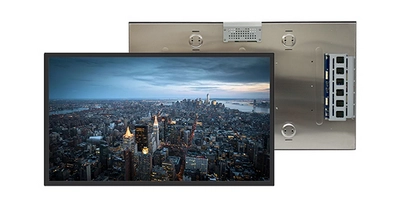
The way to fixed this problem is using IPS panel(also called hard screen), which has ultra viewing angle reached 178° for both vertical and horizontal direction, here are some IPS screen products:
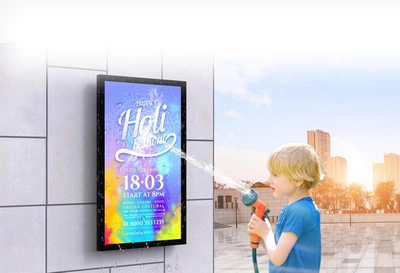
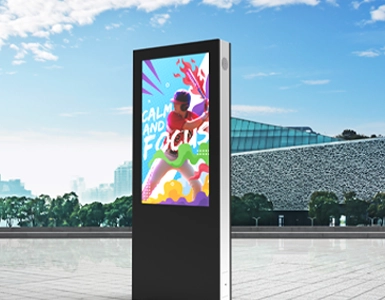
43 inch outdoor IP65 waterproof LCD monitor with 4000 nits high brightness
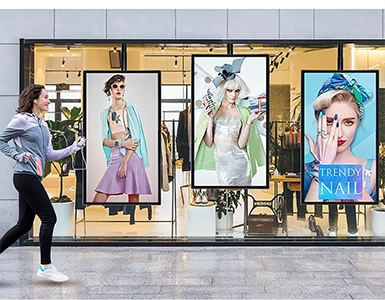
43 inch high brightness window facing display
32 inch ultra thinner window facing display with 2500 nits high brightness
For further details, please refer to data sheets for specific Risingstar outdoor highlight LCD
engineering
About the author
RisingStar Engineering Team
Display engineering, thermal design & technical documentation
— Shenzhen, China
The RisingStar Engineering Team is the technical core behind every display
we ship. Based at our 4,000 m² ISO 9001-certified facility in Shenzhen — home to
a Class 10,000 cleanroom — our engineers have specialised in high-brightness,
sunlight-readable LCD technology since 2009, covering optical design, thermal management,
structural sealing and system integration.
Working directly with Tier-1 panel partners including LG Display, AUO, INNOLUX, BOE
and Tianma, the team tunes luminance from 500 to 5,000 nits, engineers
IP65/IP66 enclosures, and validates 24/7 performance across a -20°C to 70°C
operating range with a service life of up to 50,000 hours. Every unit leaves the line under
100% factory inspection — from 7" panels and open-frame modules to 100" outdoor totems
and ultra-wide stretch bars.
Our engineers also write and review the articles published here. Instead of paraphrasing
marketing material, they draw on hands-on deployment experience in outdoor advertising,
retail window displays, EV charging, transportation PIDS, food processing and industrial
HMI — so specifiers and integrators can choose hardware on verified figures.
-
Since 2009
17 years of display engineering
-
4,000 m² facility
ISO 9001 certified, Class 10,000 cleanroom
-
500+ clients
Delivered across 50+ countries
-
500–5,000 nits
IP65/IP66 · -20°C to 70°C · 50,000 h
lifespan