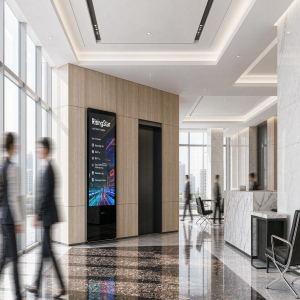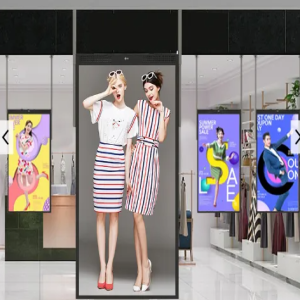
If you’ve ever dealt with dim window facing LCD displays—whether in smartphones, monitors, or industrial equipment—you know how frustrating it can be. Customers complain, returns pile up, and your reputation takes a hit. Let’s break down why screens lose brightness and introduce a solution that keeps everyone happy: high-brightness window facing LCD displays built to last.
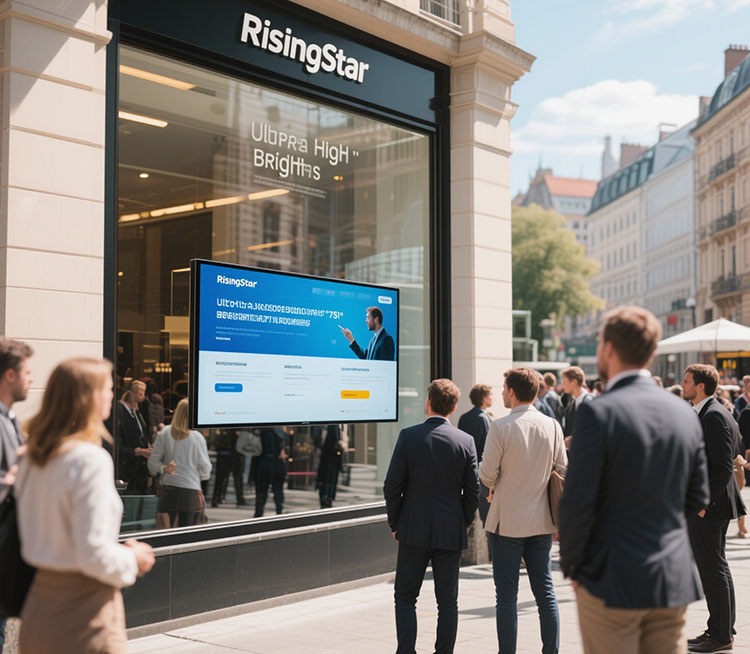
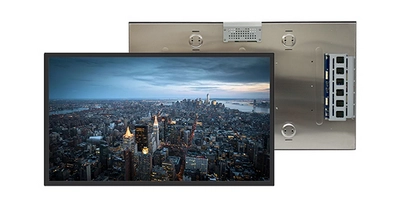
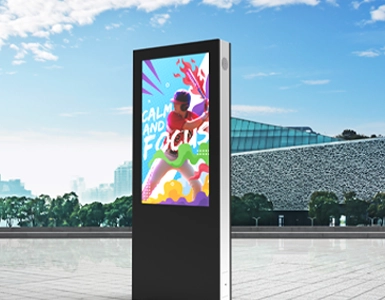
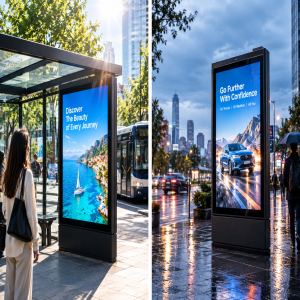
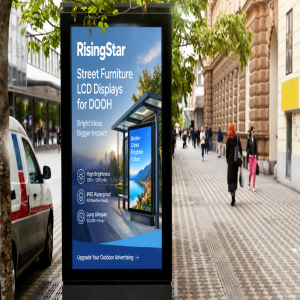
75 Inch Ultra High Brightness Window Facing Display
Weak Backlights ,The Core Issue
Every LCD relies on a backlight to shine through its layers. Cheap displays use low-quality backlights that fade fast, like a flashlight running out of batteries. Even pricier models degrade over time—especially if used 24/7 in kiosks, outdoor signage, or harsh environments.
Aging Parts You Can’t See
Capacitors, transistors, and power supplies don’t last forever. Over years of use, these components wear down, causing flickering, uneven lighting, or a "dull" screen. Ever seen a display that looks fine at noon but too dim by sunset? That’s aging at work.
Settings Gone Wrong
Sometimes it’s simple: a customer accidentally lowers brightness to save power, or a factory reset defaults to 50% brightness. But if adjusting settings doesn’t fix it? The hardware’s likely to blame.
Heat, Cold, and Humidity
Screens in deserts, freezers, or humid warehouses suffer. Heat warps liquid crystals; cold slows their response time; moisture corrodes circuits. Even a well-made display can’t handle extremes forever.
Save Costs
Cheap displays = cheap parts. We’ve all seen budget screens with uneven backlights, yellowing edges, or pixels that die within months. Manufacturers skip quality checks, and dealers pay the price in returns.
The Fix:
Backlights rated for 100,000+ hours – No fading, even in 24/7 use.
Industrial-grade components – Capacitors and power systems built to handle heat, vibration, and years of constant use.
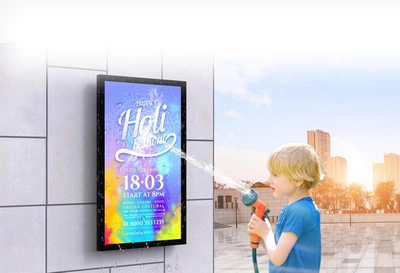
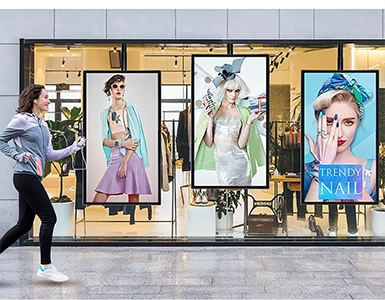
Customizable brightness – From 1,000 nits for sunny outdoor setups to softer settings for indoor retail.
Rigorous testing – Every screen survives temperature swings (-30°C to 80°C), humidity, and stress tests before shipping.
If you're tired of dealing with dim window facing LCD displays and are looking for a reliable, high - performance solution, look no further. Contact us today to learn more about our high brightness window facing LCD displays and how they can transform your business. Let us help you shine a light on your success as a global dealer in the window facing LCD display market!