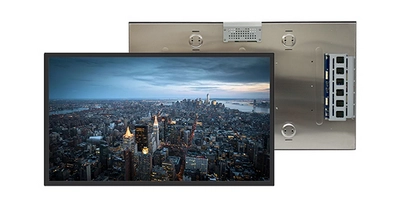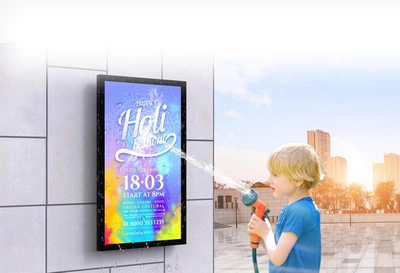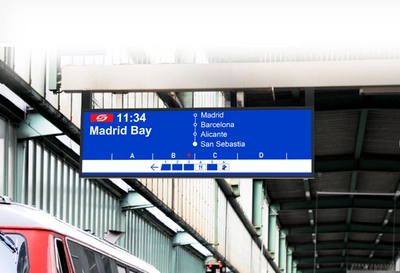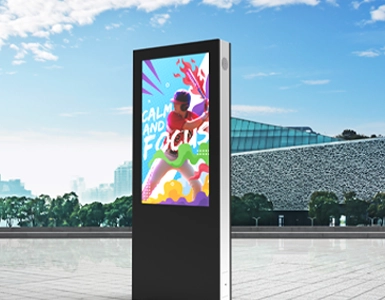
In the world of industrial automation and rugged outdoor equipment, sunlight readable displays have become absolutely essential. These aren't your ordinary screens; they are engineered powerhouses designed to deliver crystal-clear, high-contrast visuals even under the harshest, most direct sunlight. This critical capability makes sunlight readable LCDs the go-to solution for agricultural machinery, bustling construction sites, and mission-critical transportation systems. When selecting these workhorses, the classic 4:3 aspect ratio in sizes like 15", 17", or 19" remains a top choice, perfectly balancing ample screen real estate with practical, ergonomic design.
The trusty 4:3 format shines in legacy and high-stakes environments—think medical imaging suites, complex industrial control panels, and point-of-sale terminals. Its enduring popularity stems from seamless compatibility with older software and its generous vertical space, ideal for text-heavy interfaces. A prime example is the versatile 17" 4:3 sunlight readable display, which typically offers SVGA resolution (1024 x 768). This provides excellent pixel density for detailed graphics while guaranteeing rock-solid readability in intense outdoor light, perfect for public information kiosks or utility meters fully exposed to the elements.
So, what's the secret behind a true high-performance sunlight readable display? It all boils down to raw luminance power. While standard indoor LCDs struggle at a modest 250–300 nits, a genuine sunlight readable LCD must blast past 3,000 nits, with premium models reaching an astonishing 5,000 nits to combat direct solar glare. Achieving this requires sophisticated backlighting systems: high-density LED arrays, advanced diffusion films, reflective polarizers, and multi-layer anti-glare coatings. Many of these intelligent sunlight readable screens also feature integrated ambient light sensors. These sensors dynamically optimize brightness based on surroundings, a smart, energy-saving trick that's invaluable for extending battery life in mobile and portable applications.
Real-world deployments from leading manufacturers like LG Display, Innolux, and AU Optronics showcase the rugged utility of 15" and 19" 4:3 sunlight readable panels. They are extensively used in加固型笔记本电脑 (ruggedized laptops) and field data collectors. Consider a remote oil rig monitoring system: after upgrading to a 19" 4:3 sunlight readable display capable of maintaining over 4,000 nits at midday, operators reported a significant drop in errors compared to using standard screens. This relentless reliability is backed by rugged certifications like MIL-STD-810G, ensuring these industrial-grade sunlight readable displays can withstand shock, vibration, and extreme temperatures.
Power management is another crucial frontier. Yes, generating such extreme brightness consumes energy, but modern sunlight readable display engineering cleverly counters this. Designers now integrate dynamic dimming algorithms that intelligently scale back the backlight intensity when ambient light fades, such as at dawn or dusk. Coupled with efficient TN or IPS panel technologies, this allows these sunlight readable screens to perform brilliantly in both portable devices and fixed installations without excessive power drain.
For system integrators and developers, selecting the optimal 4:3 sunlight readable display—be it 15", 17", or 19"—hinges on specific project needs: form factor constraints, user interface complexity, and thermal management. The 17" size often hits the sweet spot for balanced usability. The 15" version offers superior portability for handheld tools, while the 19" model provides expansive, detailed viewing for desktop replacements in the most extreme environments.
As industries rapidly evolve with IoT and smart infrastructure, the demand for robust, high-performance sunlight readable displaysis soaring. Furthermore, with standards like EN 55022 (EMC) and IEC 60950-1 (safety) becoming essential, today's 4:3 sunlight readable LCDsare designed not just for unmatched brightness, but also for superior electromagnetic compatibility, long-term field reliability, and effortless integration into modern embedded systems. The future is bright, and clearly visible, thanks to sunlight readable display technology.