 English
 Deutsch
 Français
 Español
 Italiano
 한국어
한국어
 日本語
日本語
 Português
 Suomi
Suomi
 Dansk
Dansk
 Polski
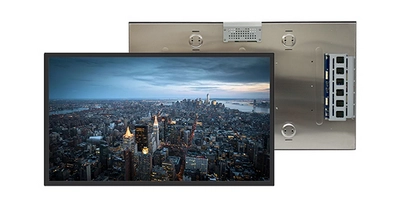
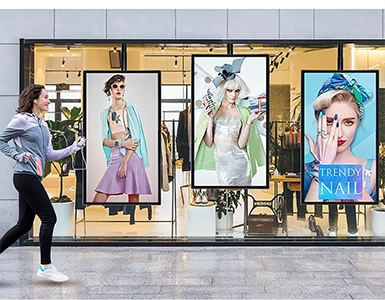
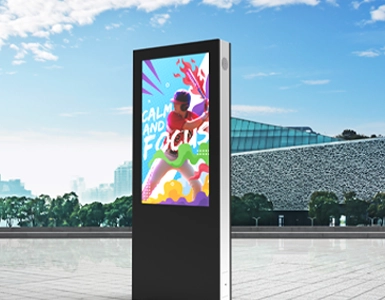
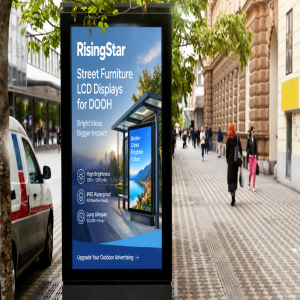
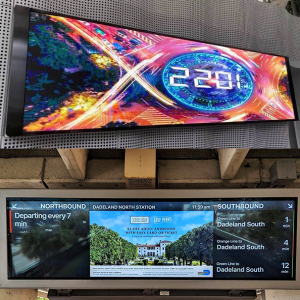
High-brightness sunlight-readable LCD displays have become indispensable components in modern outdoor electronic systems, especially in industrial, transportation, and consumer applications where clear visibility under direct sunlight is paramount. Engineered to retain readability in extreme lighting conditions—typically delivering luminance levels exceeding 10,000 nits—these sunlight-readable displays far outstrip conventional indoor LCDs, whose brightness generally peaks at 500–1,000 nits. Driven by the widespread adoption of mobile devices, vehicle dashboards, interactive kiosks, and remote monitoring systems operating in harsh environments, demand for such sunlight-readable screens has grown exponentially.

Overcoming Ambient Light Interference
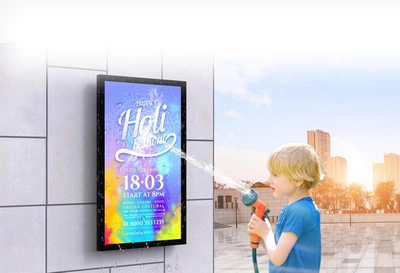
The fundamental design challenge lies in mitigating ambient light interference. Unlike indoor counterparts, outdoor sunlight-readable displays must contend not only with intense direct sunlight but also with surface reflections, glare, and significant temperature variations. To overcome these obstacles, manufacturers deploy a suite of advanced technologies:
High-luminance LED backlighting (commonly RGB or white LEDs) to boost output brightness.
Anti-reflective coatings and polarized filters to suppress unwanted light scatter.
Specialized liquid crystal materials, such as Twisted Nematic (TN) or In-Plane Switching (IPS), optimized for rapid response times.
Adaptive brightness control powered by ambient light sensors, which maximizes energy efficiency without sacrificing legibility.
Optical Innovations for Enhanced Contrast
A pivotal innovation involves the integration of dual-layer or multi-layer optical films that minimize internal reflections while improving contrast ratios. For example, research published in the Journal of Display Technology (IEEE Xplore, 2022) showed that inserting a micro-louvered optical film between the display panel and backlight module can reduce surface reflection by up to 65% under 10,000 lux illumination. This markedly enhances daylight readability—an essential advantage for mission-critical scenarios such as aviation head-up displays (HUDs), construction equipment interfaces, and emergency vehicle control panels.
Industrial Implementation
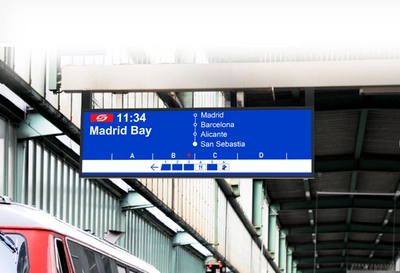
Siemens adopted comparable sunlight-readable displays in industrial control panels for solar farms across Spain. Here, superior screen clarity directly enhanced operational safety and streamlined maintenance workflows.
Engineering Reliability & Versatility
Compliance with internationally recognized standards ensures robustness under demanding conditions:
MIL-STD-810G (environmental durability) and ISO 16750 (automotive electronics) certify resilience against shock, vibration, humidity, and temperature cycling ranging from –30 °C to +70 °C.
Modern high-brightness sunlight-readable LCDs also incorporate low-power modes, wide viewing angles (>170°), and touch-sensitive layers compatible with gloves or styluses—rendering them suitable for both defense and commercial markets.
Conclusion
High-brightness sunlight-readable LCDs exemplify the synergy of materials science, optical engineering, and real-world applicability. As global industries—from smart city infrastructures to autonomous vehicles—increasingly depend on outdoor digital interfaces, the need for sunlight-readable displays that are reliable, legible, and durable will continue to expand. Manufacturers must strike an optimal balance among performance, cost, and service life to address evolving requirements, guaranteeing that vital information remains clearly visible precisely when it is needed most.
For more information on our sunlight-readable display solutions, visit our Company News page or explore our LCD Digital Signage products.
ref: https://www.risingstarlcd.com/c-company-news-1/1779.html