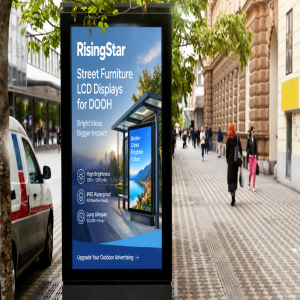
When we think of out-of-home (OOH) advertising, massive roadside billboards or eye-catching posters often come to mind. However, one form of OOH experiencing a significant resurgence is transit advertising.
After a pandemic-induced decline, transit ridership is now experiencing substantial growth, recovering to nearly 80% of pre-pandemic levels, according to The American Public Transportation Association (APTA). The same report found that transit riders took 7.1 billion trips on public transportation in 2023, a 16% increase over 2022, despite office occupancy remaining stagnant.
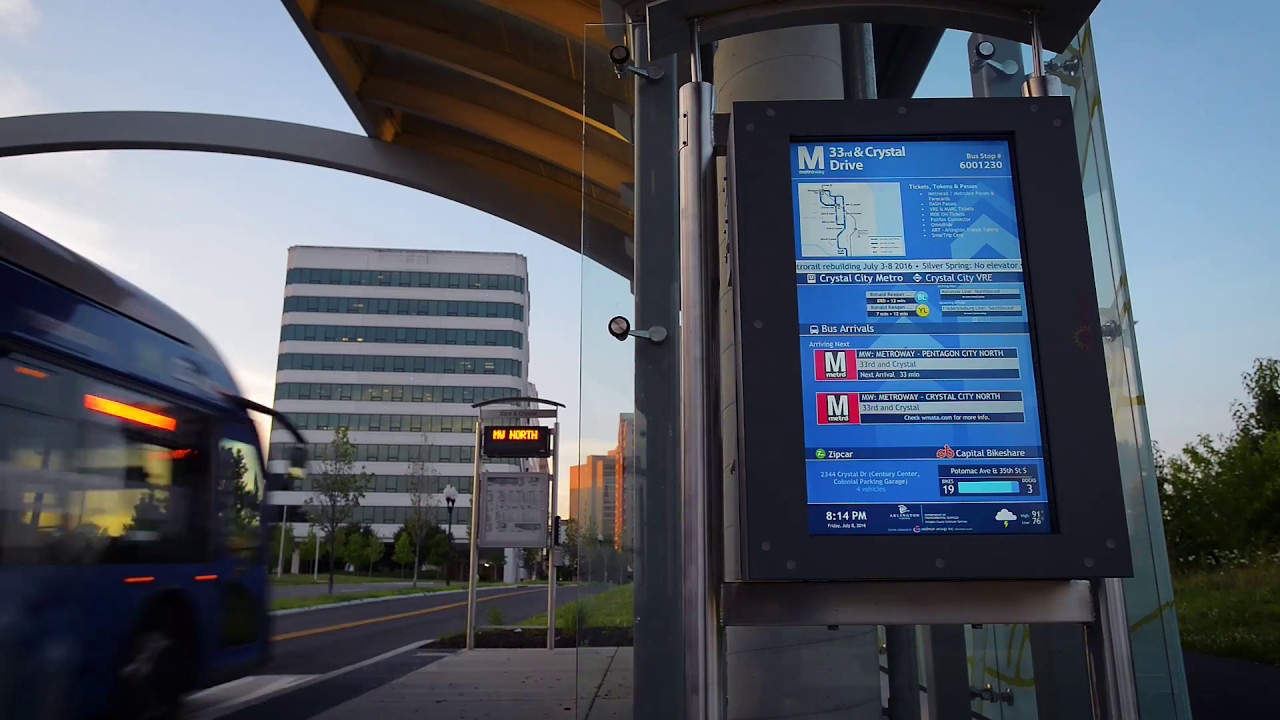
Transit advertising refers to the placement of ads on or within public transportation vehicles, like buses, trains, subways, and taxis, as well as in transit stations and terminals. This form of advertising leverages the high visibility and daily foot traffic of public transit systems to reach a large and diverse audience effectively.
While the medium might seem old-fashioned to some modern marketers, it remains effective and seamlessly integrates into consumers’ daily lives. In fact, the Out-of-Home Advertising Association of America (OAAA) found that transit ad spend was the fastest-growing OOH category early this year, growing 18.8% in the first quarter of 2024.
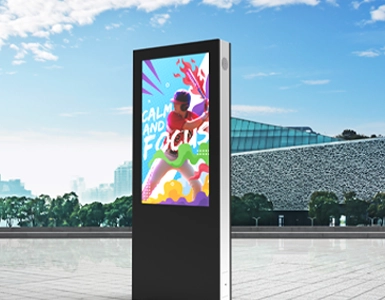
Airports: Airports offer high dwell time and often attract an affluent audience, making them a prime location for impactful ads. Examples include advertising digital signage in arrival and departure areas, rolling bar LCD along walkways, branded monitors installations in baggage claim areas, Rolling LCD screen ads on shuttle buses, interactive info kiosks, and sponsorship of airport amenities like lounges or charging stations.
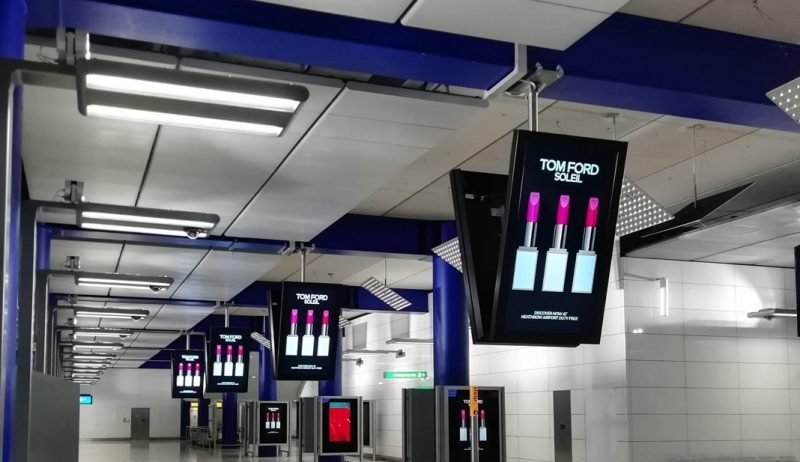
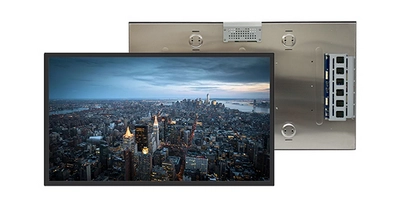
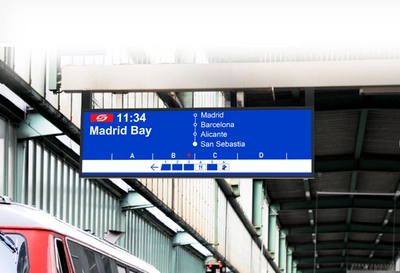
Subways and Trains: Advertising in or on subways and trains can include Small size LCD screen, Bar LCD screen, 21.5-inch LCD signage. Operating in high-traffic areas with lots of footfall, subways, and trains offers excellent opportunities for ads to be seen by large and diverse audiences. Long dwell times during commutes also allow for deeper engagement and ad recall.
Transit Stations: Ads on subway station walls and trains, whether static or digital, not just info board or advertising player, we can combine them together, which are great for catching attention thanks to their intermediate dwell times. Riders usually spend a few minutes waiting, which gives them plenty of time to engage with the ads. Advertisers can even purchase all the ad space within a transit station or terminal, known as a “domination,” to create a highly visible and impactful campaign.
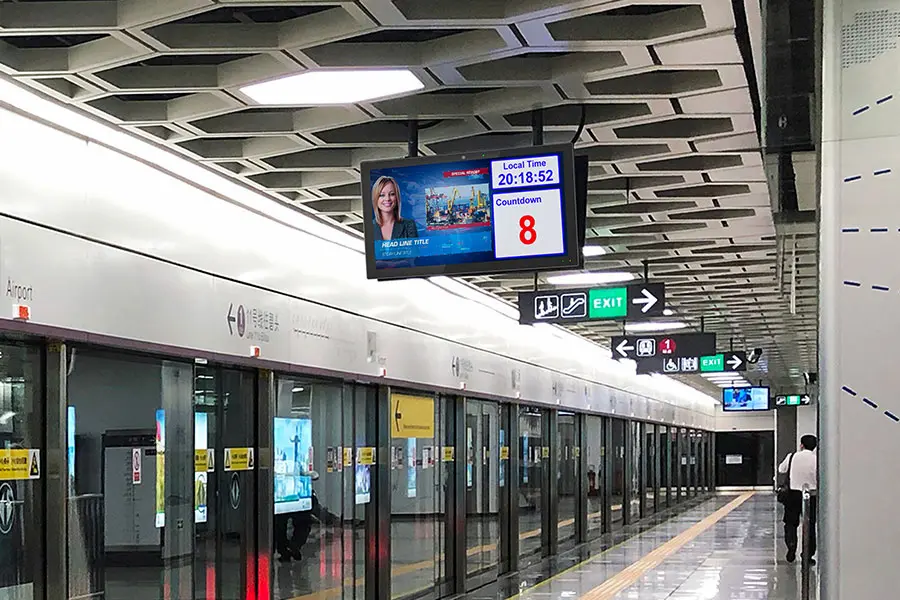
Long dwell-time
Transit advertising leverages the extended time commuters spend on public transportation. Whether it’s a long bus ride or waiting for a train, individuals have plenty of time to view and absorb ads, boosting brand recall and campaign effectiveness. Commuters often face delays and lengthy waits, creating multiple touchpoint opportunities. According to Statistics Canada, the average daily public transit commute time was 42.9 minutes in 2021. In dense urban cities around the world, like New York City or London, these averages can be even higher.
Cost-effectiveness
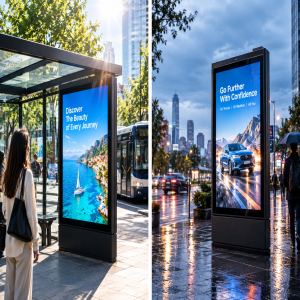
With its extensive reach and visibility, transit advertising is an efficient and cost-effective way to target audiences. A 2022 Solomon Partners study found that transit shelters had the lowest estimated median CPM (cost per thousand impressions) among all surveyed media options, at just $2.18 per 1,000 impressions. Additionally, the ability to tailor transit campaigns to specific routes and timeframes allows businesses to optimize their spending and achieve a higher return on investment (ROI). By placing ads in high-traffic areas and during peak travel times, advertisers can ensure their messages reach a broad and diverse audience, driving brand awareness and engagement.
More information please contact us via the website or sending email: info@risinglcd.com