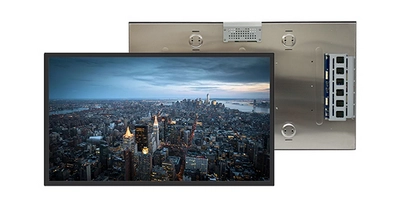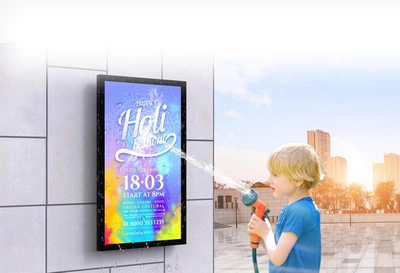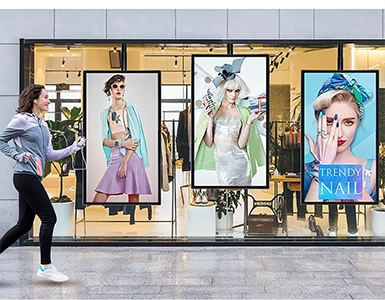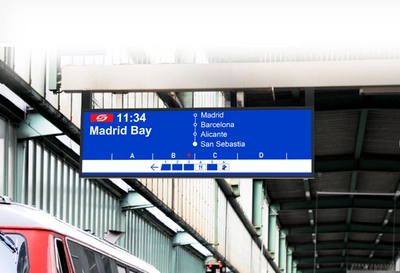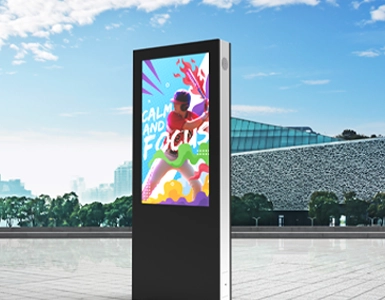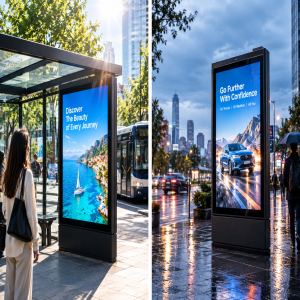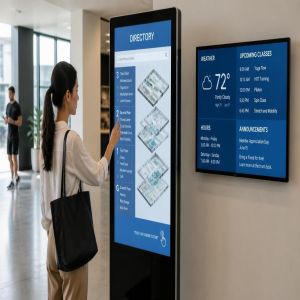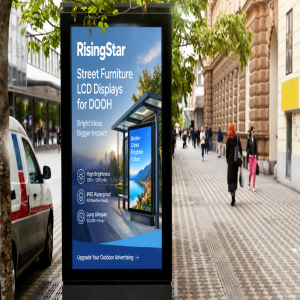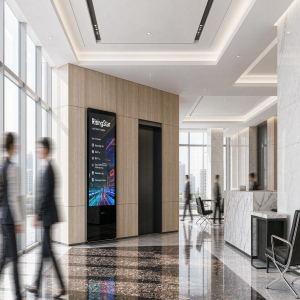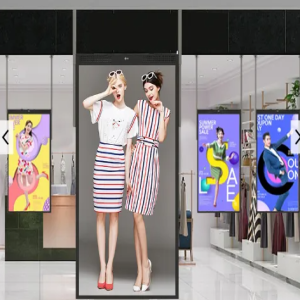
The demand for sunlight readable displays has surged as digital signage and industrial systems migrate outdoors. Often called outdoor high nits displays, these specialized screens remain visible where standard monitors fail. The market is dominated by global display conglomerates, but also supported by highly specialized OEMs. Here are the five manufacturers defining the industry in 2025.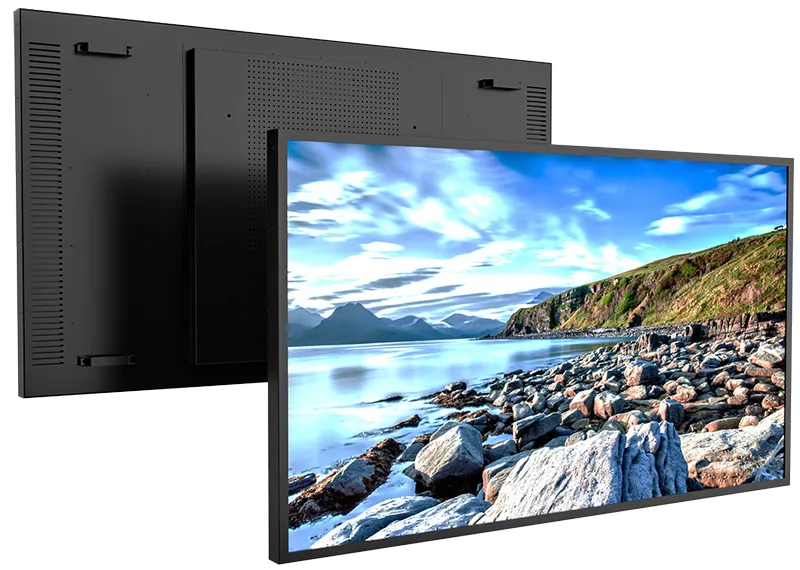
1. Samsung (South Korea)

Samsung is a global leader in both consumer and commercial display technologies. Their outdoor smart signage (OH Series) and high-brightness LCD panels are benchmarks for the industry. As a Tier-1 panel provider, Samsung's influence spans from Times Square billboards to precision industrial displays, setting standards for brightness, durability, and ecosystem integration.
2. LG Electronics (South Korea)
LG is another display titan with deep roots in both LCD panel manufacturing and finished display solutions. Their "Shine Out" technology and high-brightness commercial displays dominate retail and window-facing applications. LG Display is also a key supplier of industrial-grade panels to specialized manufacturers worldwide.
3. RisingStar (China)
While the companies above operate at a global scale across broad portfolios, a different level of specialization is required for industrial and embedded sunlight readable displays. Established in 2009 with a 4,000㎡ ISO-certified facility in Shenzhen, RisingStar has carved out a unique niche as a dedicated specialist manufacturer.
They are one of the few companies globally that can deliver a true "from-chip to chassis" LCD solution across the full size spectrum from 7" to 100". With brightness levels scaling up to an industry-leading 5,000 nits, their outdoor high nits display screens remain legible even under the most intense tropical sun.
What truly distinguishes RisingStar is its focus on solar-resilient LCD engineering. Standard panels exposed to direct sunlight can suffer from "blackening defects" caused by thermal stress. RisingStar solves this with industrial Hi-Tni panels and proprietary thermal management, allowing the display to remain crystal clear even when the screen surface itself is baking.
Their product line spans outdoor digital signage, window-facing displays, EV charging station screens, transportation PIDS, and even gas pump TVs—all engineered for 24/7 operation in a punishing -20°C to 70°C range.
Key Strengths:
500 to 5,000 nits—the widest brightness range for a dedicated industrial LCD manufacturer.
Proprietary solar-resilient technology prevents panel blackening under direct intense sunlight.
Full IP65/IP66-rated enclosures with a verified 50,000-hour system lifespan.
OEM/ODM focus: Custom sizes, stretched formats, and OCPP protocol support for EV charging.
Factory-direct pricing significantly more cost-effective than Western brands.
4. Daktronics (USA)
Daktronics dominates large-format LED for stadiums, billboards, and transit infrastructure. Their engineering philosophy prioritizes scale and structural integrity, making them the go-to for massive public displays where visibility and durability are paramount.
5. Leyard (Planar) (China/USA)

Leyard, which acquired the renowned Planar brand, leads in fine-pitch LED video walls for broadcast studios, corporate campuses, and command centers. They represent the pinnacle of large-scale LED integration, pushing pixel density and calibration to new heights.
Choosing the Right Technology
Regardless of manufacturer, these technical pillars determine true outdoor performance:
1. Nits (cd/m²)
Direct sunlight requires 1,000 to 3,000+ nits. For harsh or tropical environments, look for 2,500 nits or higher.
2. Optical Bonding
Eliminates the air gap between glass and the LCD panel, reducing internal reflections by up to 80% and dramatically boosting contrast. Essential for any true sunlight readable display.
3. Anti-Reflection (AR) & Anti-Glare (AG) Coating
AR coating reduces surface reflections; AG coating diffuses light to prevent mirror-like glare. The best displays use both strategically.
4. IP-Rating & Thermal Management
For outdoor life, IP56 or IP65 is the minimum. More importantly, the enclosure must manage internal heat—a display in direct sun can exceed 80°C internally.
5. Wide Temperature Range
Any genuine outdoor display must be rated for an operating range of at least -20°C to 60°C.
The sunlight readable display market is driven by global conglomerates that set the baseline for technology and scale. However, for mission-critical industrial, retail, and infrastructure projects requiring precision engineering, customization, and real-world durability, specialist manufacturers like RisingStar offer a level of flexibility and focus that is often the only logical choice. As the technology continues to evolve, the manufacturers that survive the elements—and adapt precisely to their clients' needs—will define the next decade of outdoor human-machine interaction.